pure, simple & real quality products. Quality savings today!
10 Best Medicinal Garden Plants to Grow
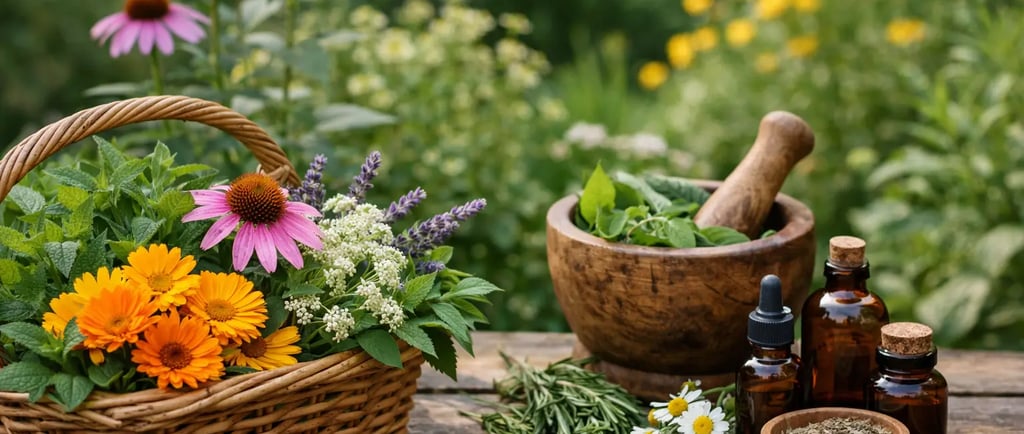
Many new gardeners assume medicinal herbs must be exotic or hard to grow. Most are not. In fact, some of the most dependable healing plants are also the most forgiving. They thrive in raised beds, tucked into vegetable gardens, or even in pots by the kitchen door. Simple plants also tend to be the ones people use most. A patch of calendula for salves, peppermint for tea, or chamomile for evenings at home can fit easily into everyday life. That matters more than growing a long list of herbs you are not sure how to use. It also helps to think about your own goals before planting. If your focus is homemade skin care, your best picks may be different from someone who wants herbs for teas and tinctures. There is no single perfect medicinal garden. There is only the one that fits your home, your climate, and your needs. Calendula Calendula is one of the kindest plants to grow and one of the most useful to keep on hand. Its cheerful orange and yellow flowers are often used in infused oils, salves, and skin-soothing blends. It is especially loved for dry, irritated, or rough skin. In the garden, calendula is easygoing. It likes sun, tolerates average soil, and blooms generously when picked often. If you want an herb that feels both beautiful and practical, this is a strong place to start. Chamomile Chamomile brings a gentle kind of comfort. It is most often used as a calming tea, especially in the evening or during stressful stretches. Many people also reach for it when they want digestive support after a heavy meal. German chamomile is a favorite for home gardeners because it grows quickly and reseeds readily. The flowers are small, but once dried, they become a simple pantry staple. If space is limited, even a small patch can produce enough for many cups of tea. Peppermint Peppermint earns its place in almost every medicinal herb list because it is dependable, familiar, and easy to use. It is often brewed into tea for digestion, occasional nausea, and general refreshment. The scent alone can feel uplifting. There is one trade-off - peppermint spreads fast. In open beds, it can take over if left unchecked. That is why many gardeners grow it in containers. If you want convenience without the headache of a roaming plant, a pot is the better choice. Lemon balm Lemon balm has a soft citrus scent and a calming nature that makes it a favorite for teas, syrups, and simple herbal blends. It is often used to support relaxation and ease tension, especially when life feels a little too full. Like mint, it can spread, though usually with less force. It grows well in garden beds or containers and does not ask for much beyond regular trimming and sunlight. For many families, lemon balm becomes one of the most reached-for herbs in the garden. Echinacea Echinacea is both striking and practical. Its purple blooms attract pollinators, and the plant is commonly used in herbal wellness routines during seasonal shifts. Roots, leaves, and flowers can all be used, though harvesting roots requires patience since the plant should be established first. This is not the fastest herb for immediate use, which is worth knowing upfront. But if you are planting for the long term, echinacea is a strong investment. It adds beauty to the garden now and deeper herbal value later. Yarrow Yarrow has feathery leaves, clustered flowers, and a long history in traditional herbal care. It is often included in herbal preparations for skin support and is valued by many gardeners for its versatility. It also attracts beneficial insects, which gives it a second job in the garden. Yarrow prefers sun and well-drained soil. Once established, it is fairly drought tolerant. If your garden tends to run dry in summer, this herb may be easier to manage than thirstier plants. Lavender Lavender brings calm to almost any space. It is commonly used in sachets, bath blends, teas, and body care, especially when the goal is rest and relaxation. The fragrance alone can change the feel of a room or porch. Growing lavender depends a lot on drainage. It loves sun and dislikes wet feet. In humid climates, this can make it a little more finicky than beginner herbs like calendula or lemon balm. Still, if you have the right spot, it is hard to beat for beauty and usefulness. Tulsi Tulsi, also called holy basil, is a lovely choice for tea drinkers and anyone building a daily herbal routine. It has a warm, spicy aroma and is often enjoyed for balance, stress support, and overall wellness. It feels grounding in the best way. Tulsi likes warmth, so it shines in summer gardens and does well in containers. In cooler areas, it may need to be started after the danger of frost has passed. If you enjoy fresh herbal tea straight from the garden, tulsi is worth making room for. Sage Sage is often thought of as a kitchen herb first, but it also has a place in the medicinal garden. It is traditionally used in teas and rinses, especially when seasonal throat discomfort comes around. Its soft leaves are easy to harvest, and the plant itself looks beautiful in borders. Sage prefers plenty of sun and soil that drains well. It is a solid choice for gardeners who want herbs that pull double duty in both the apothecary and the kitchen. Plantain Plantain may already be growing in your yard, and many people do not realize how useful it can be. This common plant is often used in salves, poultices, and skin-support formulas. It is one of those humble herbs that quietly earns its keep. If you choose to grow it intentionally, make sure you are working with the correct plant and a clean growing area. Plantain will never be the showiest herb in your garden, but it may become one of the most practical. A medicinal garden becomes truly useful when harvest turns into habit. Pick calendula flowers regularly so the plant keeps blooming. Dry chamomile and lemon balm in small batches so they stay fragrant. Harvest peppermint before it flowers for the best flavor. With lavender and sage, cut modestly and let the plant stay full and healthy. Storage matters too. Herbs lose quality when they sit too long in heat, moisture, or direct light. Dry them well, keep them in sealed jars, and label them with the date. Small steps like these make homegrown herbs feel less like a hobby and more like a real part of daily life. And remember, herbs are supportive, not magical shortcuts. It is wise to learn each plant well, pay attention to safety, and check for concerns around pregnancy, medications, allergies, and children. Natural living works best when it stays rooted in care and common sense. A healing garden does not have to start with a full homestead plan. One pot of peppermint, a row of calendula, and a handful of chamomile can be enough to begin. Grow what feels useful, keep it simple, and let your garden teach you what your home truly needs.
GARDENING & FARMING
6/5/20261 min read
My post content
The Crafty Couple-Nature Life
Follow us for more herbal tips and nature-inspired updates
Contact
empress@craftycouplenaturelife.com
656-226-1053
© 2026. All rights reserved.