pure, simple & real quality products. Quality savings today!

12 Healing Garden Ideas That Truly Restore
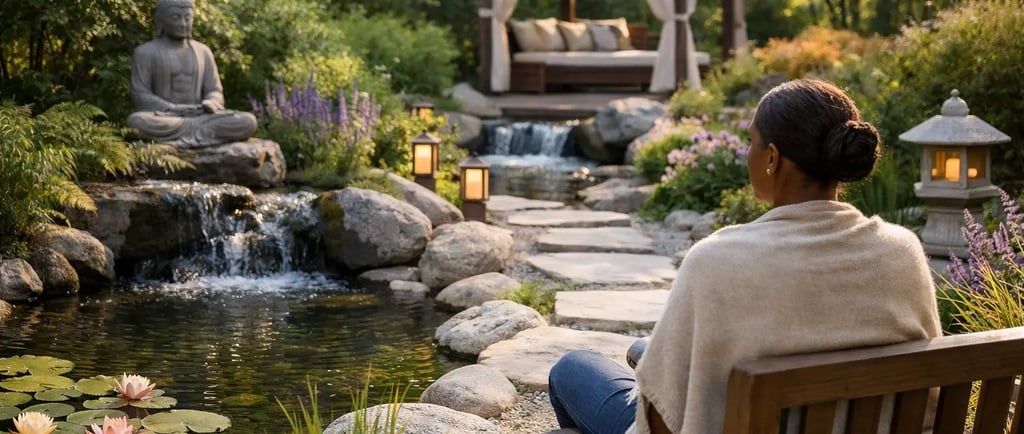
1) Start with one clear purpose- Before choosing plants or decor, ask a simple question: what do you want this garden to do for you? You may want a place to sit quietly in the morning. You may want to grow herbs for homemade teas. You may want a sensory-friendly space that helps your children slow down with you. One garden can do several things, but it helps to start with one main goal. 2) Choose calming hardworking plants- Plants are the heart of the space, but not every beautiful plant creates the same feeling. For a healing garden, choose plants that offer one or more of these gifts: fragrance, soft texture, gentle color, pollinator support, or herbal usefulness. 3) Build around scent-Scent reaches people quickly. It can shift the mood of a space before you even sit down. That is why fragrance is one of the strongest tools in a healing garden. Place fragrant herbs where hands and legs will brush against them. Line a path with thyme or lavender. Tuck lemon balm near a chair. Grow rosemary in a pot by the door where you can touch it on the way in or out. 4)Add a place to sit and stay awhile- A healing garden without a place to pause often becomes a space you pass through instead of enjoy. Seating does not need to be fancy. A weathered bench, a tucked-away chair, or even a sturdy stump can create a reason to linger. Try to place seating where the garden feels slightly protected. That could be near taller plants, beside a fence softened with vines, or under the edge of a tree canopy. 5) Design details that support rest- A healing garden is not just about plants. The structure of the space matters too. Small design choices can make a yard feel safer, softer, and easier to enjoy. 6) Use gentle paths and natural materials - A winding path slows your pace in a way a straight walkway does not. Gravel, mulch, stepping stones, brick, and natural wood all bring an earthy feel that suits a healing space well. 7) Include sound if it helps you unwind- Sound changes a garden more than many people expect. Wind moving through grasses, bees working nearby, and water trickling from a small fountain can soften neighborhood noise and make the space feel more alive. 8) Think in layers not clutter- Healing spaces feel full but not crowded. Try layering heights with ground covers, mounding herbs, mid-height flowers, and one or two taller anchor plants. This creates a cocoon-like feeling without making the space hard to care for. 9) Grow herbs you know you will use- It is easy to plant based on what looks good in a catalog. A more grounded approach is to start with herbs you already enjoy. If your family drinks herbal tea, grow lemon balm, chamomile, peppermint, or tulsi. If you make salves or infused oils, calendula and plantain may be worth a place. If you love cooking and wellness together, rosemary, thyme, and sage bridge both worlds beautifully. 10) Keep Harvest Simple- You do not need a large apothecary setup to enjoy your herbs. A basket, a drying rack, and a few labeled jars can go a long way. The easier it is to harvest and store what you grow, the more likely you are to use it. 11) Small-space healing garden area- If you only have a balcony, patio, porch, or narrow side yard, you can still create a healing garden. In fact, smaller spaces often feel more intimate. Use containers in varied heights to create softness without taking up much ground room. Combine one chair with a few fragrant pots and a small table for tea. Add climbing plants or a simple trellis to create enclosure. Even three or four well-chosen herbs can change the feeling of a space. 12) Let the garden grow with you- Some seasons call for energy and abundance. Others call for quiet and ease. Your healing garden can honor both.
NATURAL
7/12/20261 min read
My post content
The Crafty Couple-Nature Life
Follow us for more herbal tips and nature-inspired updates
Contact
empress@craftycouplenaturelife.com
656-226-1053
© 2026. All rights reserved.