pure, simple & real quality products. Quality savings today!

7 Best Herbal Remedies for a Cold
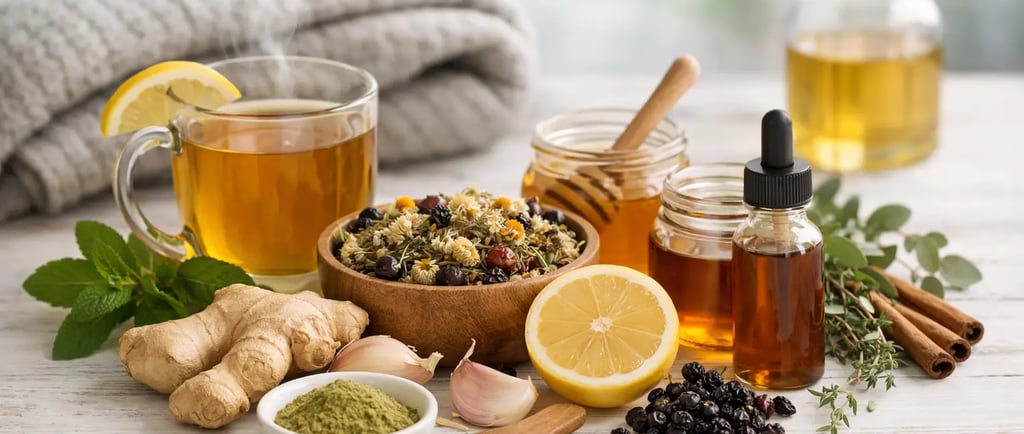
1. Elderberry for early immune support Elderberry is one of the first herbs many people reach for when cold symptoms begin. It is most often used as a syrup or tea and is especially popular during the early days, when you feel that run-down, achy, not-quite-right shift coming on. People love elderberry because it feels easy to work into daily life. A spoonful of syrup is simple, and the flavor is usually more pleasant than many stronger herbs. That said, elderberry tends to be more about overall support than direct symptom relief. If your biggest issue is a raw throat or heavy congestion, you may want to pair it with something more targeted. Use properly prepared elderberry products only. Raw elderberries, leaves, and stems should not be eaten. 2. Ginger for chills, throat comfort, and upset stomach Ginger earns its place among the best herbal remedies for a cold because it covers several common complaints at once. It brings warmth when you have chills, can ease mild nausea, and often feels soothing when your throat is tender. Fresh ginger tea is a favorite for good reason. It is strong, warming, and easy to make at home. Sliced ginger simmered in water creates a spicy tea that can be softened with honey once it cools a bit. If you tend to run hot or have reflux, ginger may feel too stimulating, so this is one of those herbs where it depends on the person. 3. Peppermint for congestion and head pressure When your cold settles in your sinuses, peppermint can be a real comfort. The natural menthol sensation helps you feel like you are breathing more freely, even if it does not magically clear every bit of congestion. Peppermint tea is useful, but steam is often where it shines. Breathing in warm steam with peppermint can feel especially soothing for a stuffy nose and that heavy pressure behind the eyes. Keep expectations realistic, though. Peppermint gives relief, not a cure. And for very young children, strong menthol products are not always appropriate, so extra caution matters. 4. Thyme for coughs that will not quit Thyme is one of the most underrated kitchen herbs in natural wellness. It is especially helpful when a cold comes with a nagging cough or that tight, irritated feeling in the chest. A strong thyme tea can taste bold and earthy, but that strength is part of why many herbalists respect it. Combined with honey, it becomes much easier to take and much kinder on the throat. Thyme is often best when used consistently through the day rather than once and forgotten. If your cough becomes deep, painful, wheezy, or lasts longer than expected, that is the point to stop treating it casually and check in with a medical professional. 5. Chamomile for rest and irritation Not every cold remedy needs to be aimed at mucus. Sometimes the real problem is that you feel tired, restless, and unable to settle down. Chamomile is a gentle herb that supports rest while also offering mild soothing benefits for an irritated throat and body. This is a good evening herb. A warm mug before bed can become part of the signal that it is time to stop pushing and let the body recover. Chamomile is not the strongest choice for congestion, but for tension, poor sleep, and general discomfort, it often brings exactly the kind of softness people need. If you have allergies to plants in the ragweed family, chamomile may not be the best fit. 6. Marshmallow root for a dry, scratchy throat When your throat feels raw, dry, and overworked, marshmallow root is one of the most comforting herbs to know. It contains mucilage, which creates a soothing, coating effect that can calm irritation. Unlike pungent warming herbs, marshmallow root has a gentler personality. It is often prepared as a cool or room-temperature infusion because heat can reduce that soothing texture people want from it. This surprises some beginners, but it is worth trying if dry throat is your main complaint. Because marshmallow root can coat the digestive tract, it may affect how some medications are absorbed. It is wise to take it a few hours apart from medicines. 7. Lemon balm for tension and mild discomfort Lemon balm is not always the first herb people think of for colds, but it deserves more attention. When a cold leaves you feeling run-down, irritable, and unable to relax, lemon balm can be a bright, gentle choice. It has a fresh flavor that works well in tea blends, especially with chamomile or ginger. Its strength is not dramatic symptom relief. Its strength is helping you feel more settled. And when you are trying to rest, drink fluids, and care for yourself at home, that kind of support counts. Best ways to use herbal remedies when you have a cold For most people, tea is the easiest place to start. It gives you the herb, the warmth, and the hydration all at once. If your symptoms are mostly in your throat, teas with honey or soothing herbs like marshmallow root make sense. If your sinuses are the issue, herbal steam or a strong peppermint tea may feel more helpful. Blends can work beautifully because colds rarely come with one neat symptom. Ginger and elderberry make sense early on. Thyme and honey are a natural pair for a cough. Chamomile and lemon balm fit the evening hours, when the house gets quiet and you finally have space to rest. This is also where simple living helps. You do not need a shelf full of tinctures to care for a cold naturally. A few well-chosen herbs, good broth, extra water, and real rest can do more than an elaborate routine you will not keep up with. A few safety notes worth keeping in mind Herbal care is gentle, but gentle does not mean thoughtless. Pregnant or breastfeeding women, people with chronic health conditions, and anyone taking medications should double-check herb safety before using something new. Children also need more care with dosage and herb selection. Watch the bigger picture. A high fever, trouble breathing, chest pain, dehydration, worsening symptoms, or an illness that hangs on too long deserves medical attention. Natural living works best when it stays rooted in common sense. If you are building your home herbal routine, start with one or two herbs you are likely to use often. Learn how they feel, when they help, and when they do not. That is how confidence grows - slowly, simply, and with respect for the plants. Cold season has a way of reminding us to slow down whether we planned to or not. A warm cup of tea, a little steam, and the right herbs can turn that hard pause into a gentler one, and sometimes that is exactly what healing at home should feel
HERBAL
5/27/20261 min read

My post content
The Crafty Couple-Nature Life
Follow us for more herbal tips and nature-inspired updates
Contact
empress@craftycouplenaturelife.com
656-226-1053
© 2026. All rights reserved.