
Garden Tips
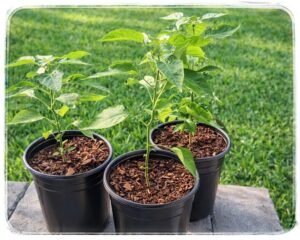
Nurture your garden with simple, earth-friendly practices that strengthen the soil, support healthy plants, and create a balanced environment where nature can thrive. A thriving garden begins with caring for the soil. Enrich it with compost, natural mulch, and organic matter so it remains rich in nutrients and full of beneficial microorganisms. Healthy soil improves plant growth, helps roots grow deeper, and allows the garden to retain moisture more effectively.
Sustainable Living
Sustainable living is about making intentional choices that support both your well-being and the environment. At The Crafty Couple- Nature Life, we believe that small, mindful actions can create lasting positive change for your home and the world around you.
By embracing natural growing practices and reducing everyday waste, you can create a lifestyle that is more balanced, self-sufficient, and connected to nature. Sustainable living doesn’t require perfection — it begins with simple steps like growing your own herbs, using reusable materials, conserving resources, and becoming more aware of what you bring into your living space.
We are committed to sharing practical tips, helpful tools, and beginner-friendly guidance that make it easier to:
– Reduce environmental impact
– Grow your own natural resources
– Use eco-conscious household practices
– Support long-term sustainability at home
– Live more intentionally with nature
Fertilizer Tips
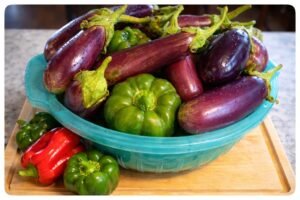
Providing your plants with the right nutrients is essential for strong, healthy growth. Understanding how and when to fertilize can make a major difference in the success of your garden.
Different plants require different levels of nutrients. Leafy greens may need more nitrogen, while flowering plants often benefit from higher levels of phosphorus and potassium. Avoid over fertilizing- apply fertilizer during active growing seasons when plants are most capable of absorbing nutrients. Early morning or late afternoon is typically the best time to avoid nutrient loss from heat or evaporation. Watering your plants after fertilizing helps nutrients move into the soil and reach the root system more effectively.
Too much fertilizer can harm your plants by causing root burn or excessive leaf growth with limited fruit or flower production. Always follow recommended application amounts. Apply Consistently,
Light, regular feeding throughout the growing season is often more effective than heavy, infrequent applications. Observe Plant Health and pay attention to signs such as yellowing leaves or slow growth. These can indicate nutrient deficiencies that may require adjustments to your fertilizing routine. Balanced fertilizing practices help support long-term plant health and encourage consistent growth throughout the season.
Our Garden
Our garden is more than just a growing space — it’s a reflection of our journey toward living naturally and intentionally.
What started as a simple idea has grown into a place where we cultivate fresh herbs, nourishing plants, and a deeper connection to the earth. Every seed planted represents our commitment to learning, growing, and embracing a lifestyle rooted in sustainability. Our garden includes a mix of herbs and seasonal plants that support both our home and our health. From aromatic kitchen herbs to vibrant greenery, we focus on plants that are practical, purposeful, and easy to maintain. We believe in, growing with the seasons,
supporting healthy soil,
encouraging natural plant growth and creating a balanced outdoor space.
Gardening has taught us patience, consistency, and the importance of working with nature rather than rushing the process. It’s not just about harvesting — it’s about the experience of nurturing something from the ground up.
We’re excited to continue expanding our garden and sharing what we learn along the way. Whether you’re starting small or building something bigger, we invite you to grow with us.
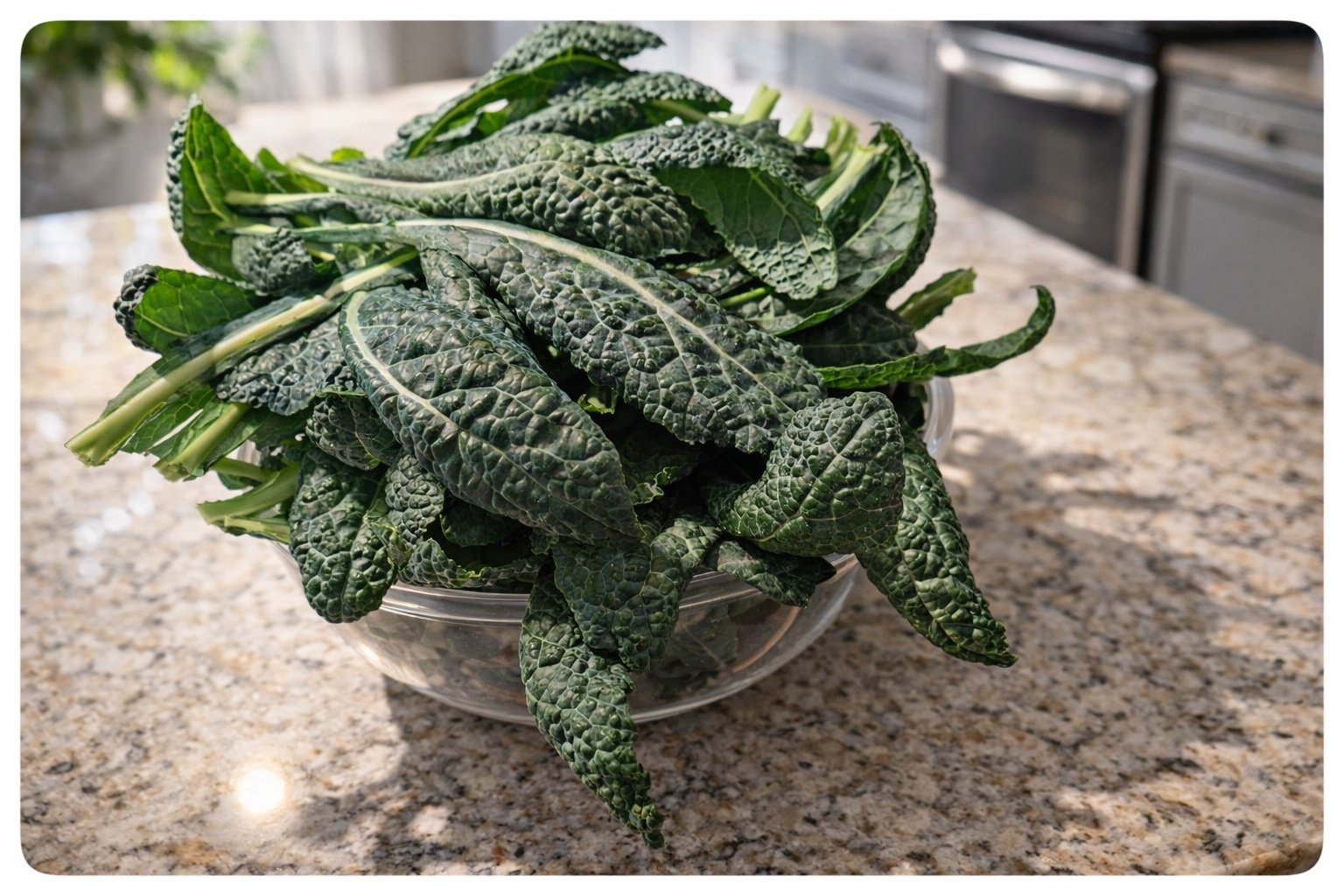
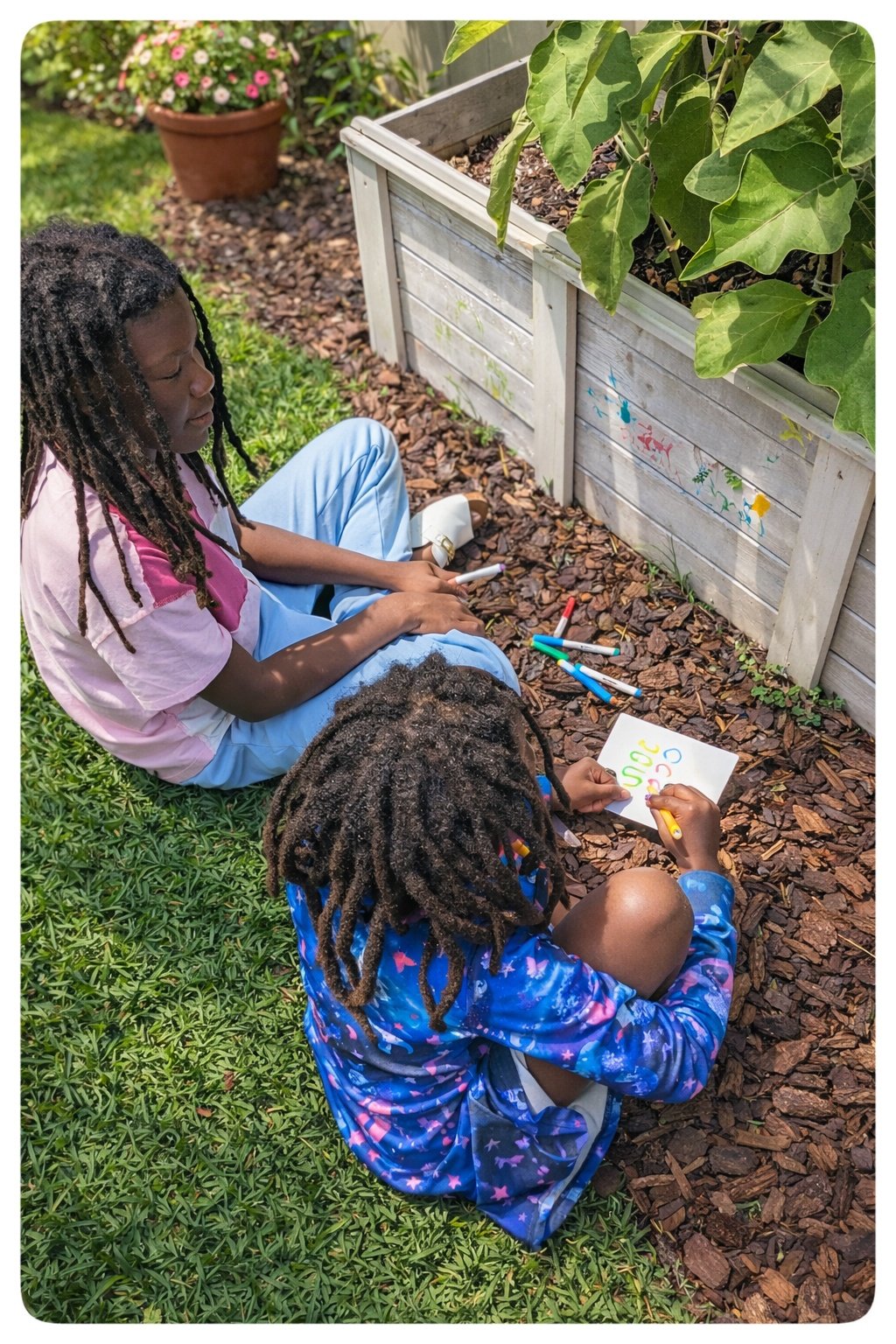
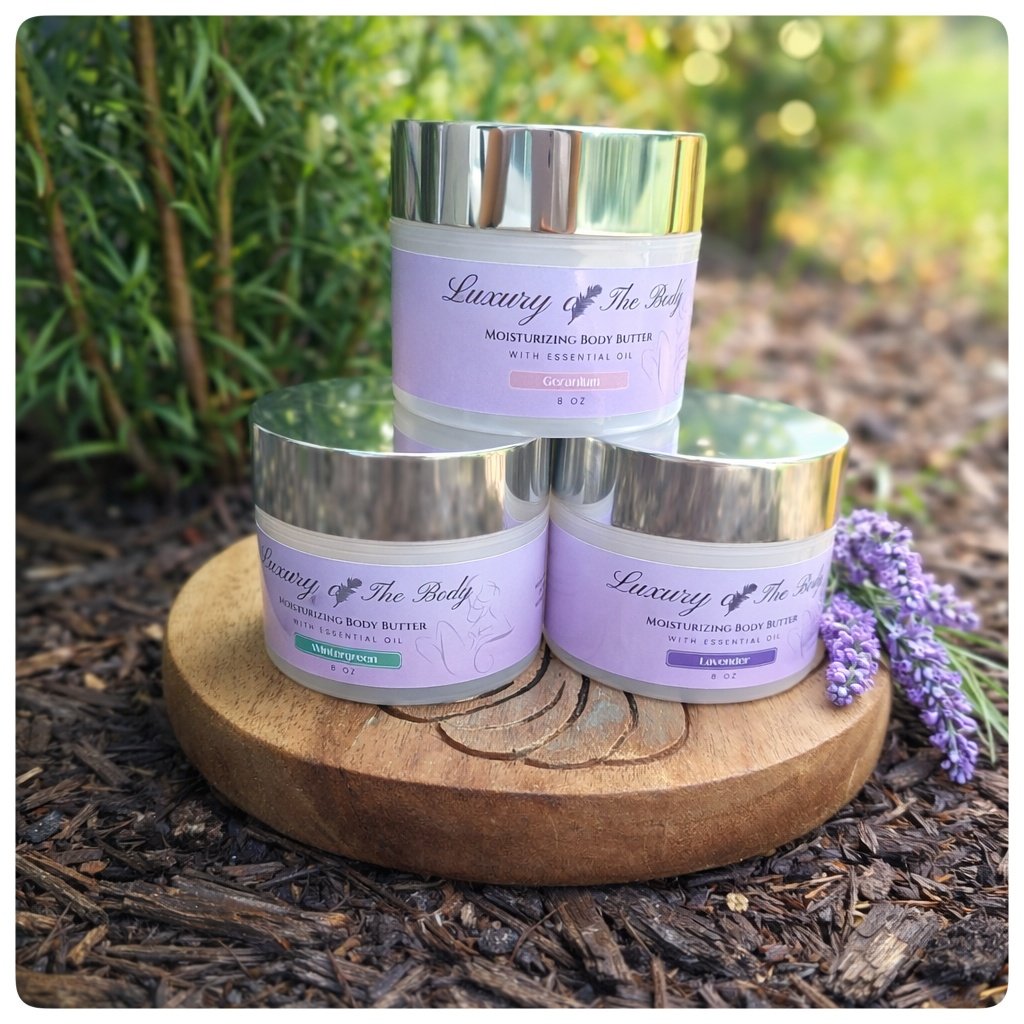
Snapshots from our herbal garden and sustainable living projects.


Join Us
Share your herbal projects and sustainable living tips with our friendly community.