pure, simple & real quality products. Quality savings today!
Garden Tips
Grow with Confidence, Harvest with Joy!
Choose the Right Soil Mix
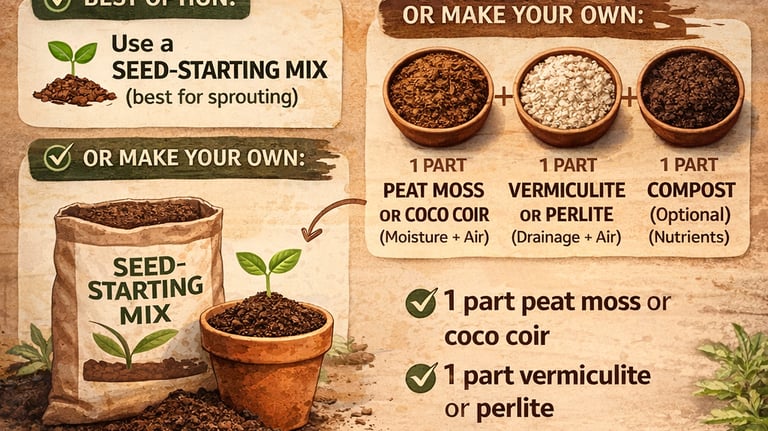
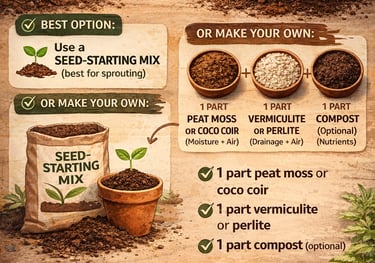
Seeds need light, fluffy, well-draining soil, not heavy garden dirt. Use a seed-starting mix or make your own:
1 part peat moss or coco coir
1 part vermiculite or perlite
1 part compost (optional for nutrients)
Prep Your Containers
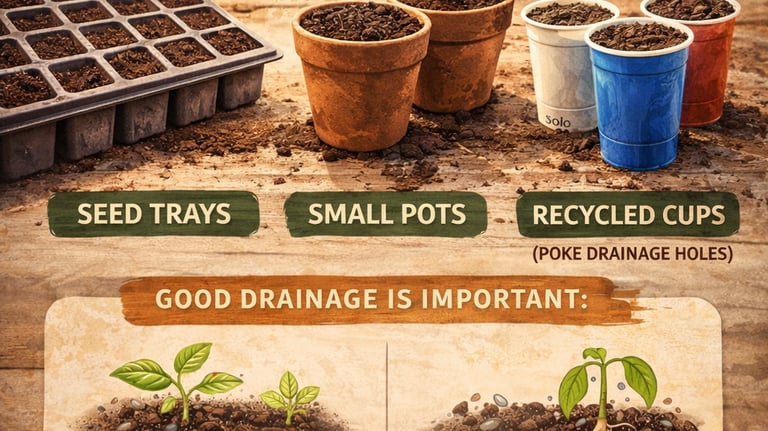
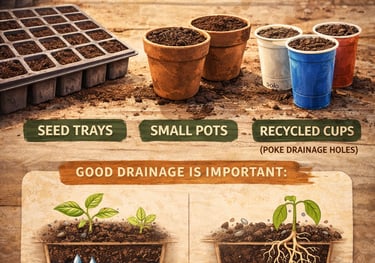
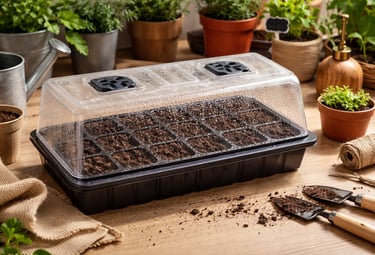
You can use, seed trays, small pots, recycled cups (poke drainage holes). Good drainage prevents root rot, which happens when roots sit in too much water and begin to decay. Without drainage:Soil
stays soggy
Roots can’t get enough oxygen
Fungal diseases can develop
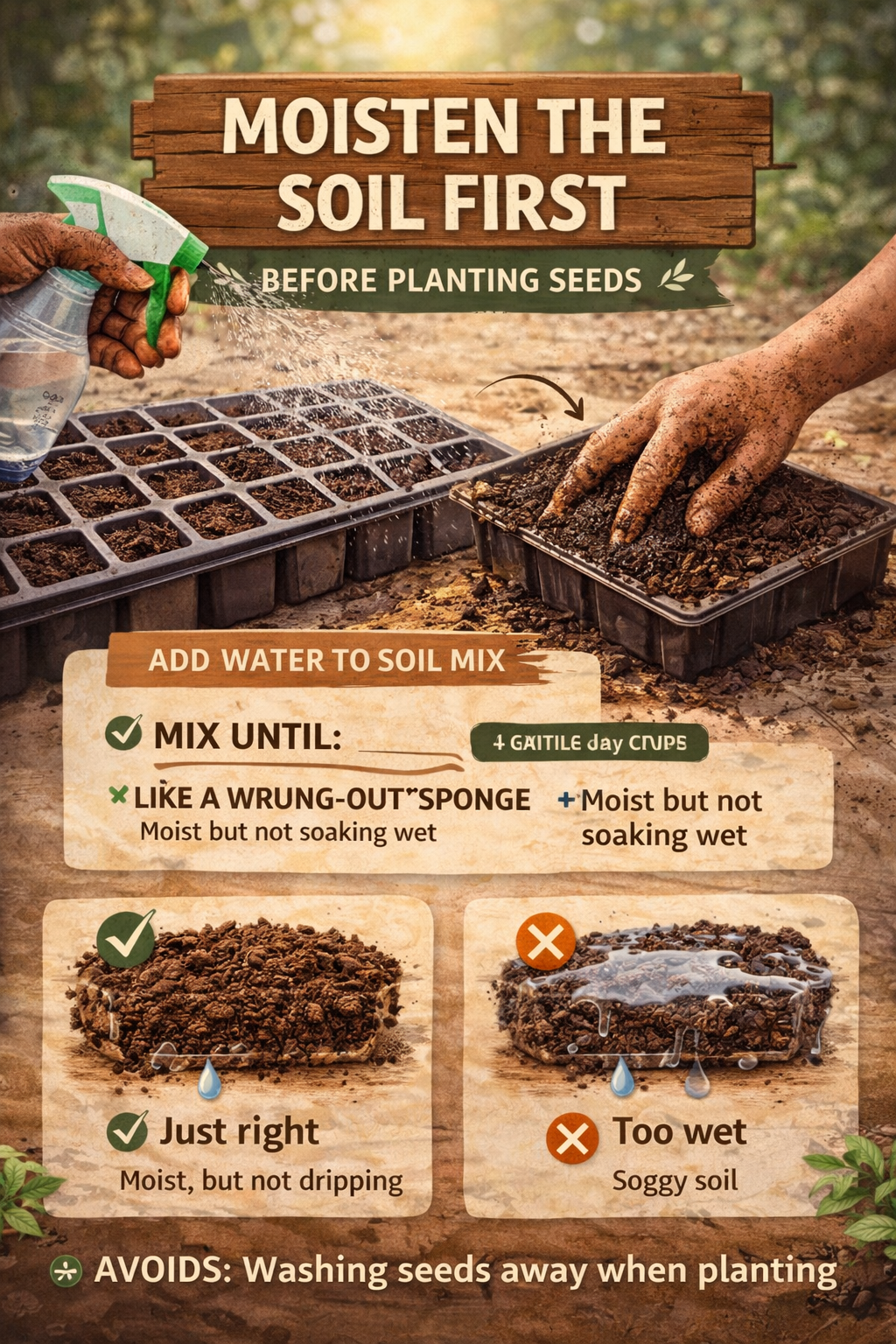
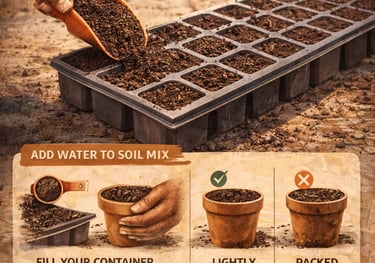
Moisten the Soil First
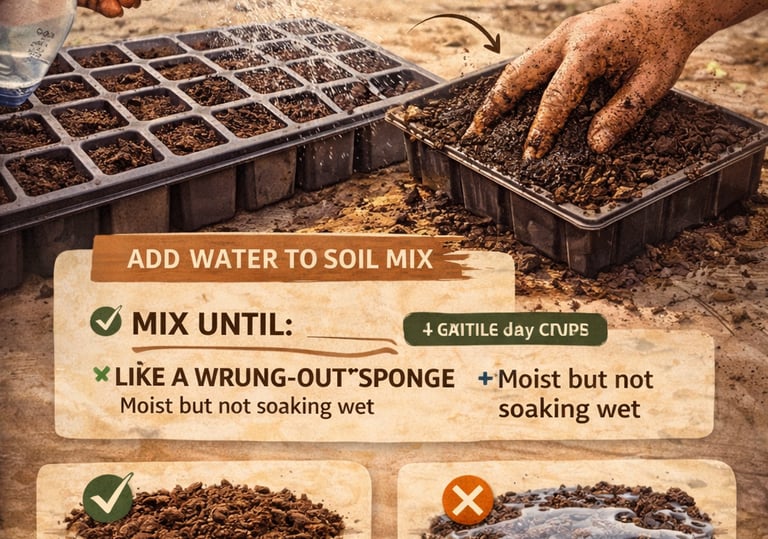
Before planting, add water to your soil mix and mix until it feels like a wrung-out sponge (not soaking wet) this helps seeds settle evenly and prevents washing them away later.
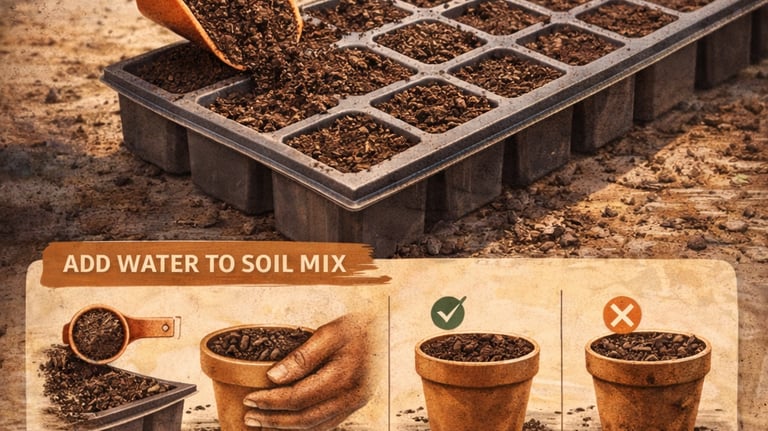
Fill and Level the Soil
Fill your container with soil, lightly press (don’t pack it down tight) and make sure to leave a little space at the top.
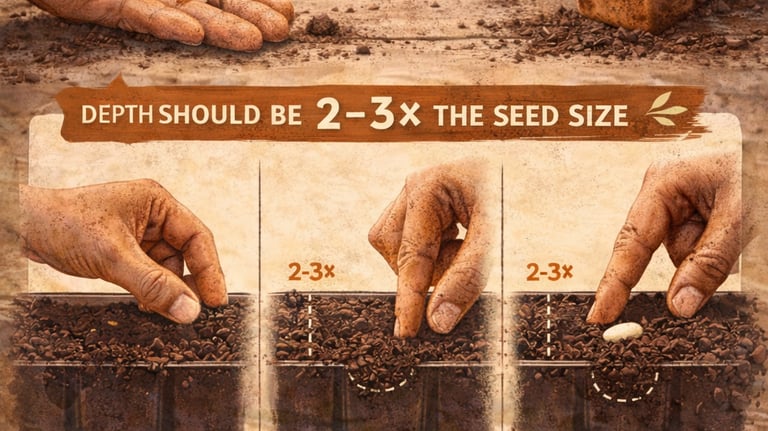
Plant the Seeds Properly
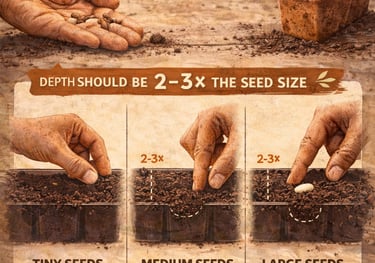
The General rule is to plant seeds 2–3× as deep as their size.
Examples:
Tiny seeds → sprinkle on top (don’t cover)
Medium seeds → light soil cover
Large seeds → plant deeper
Water Gently
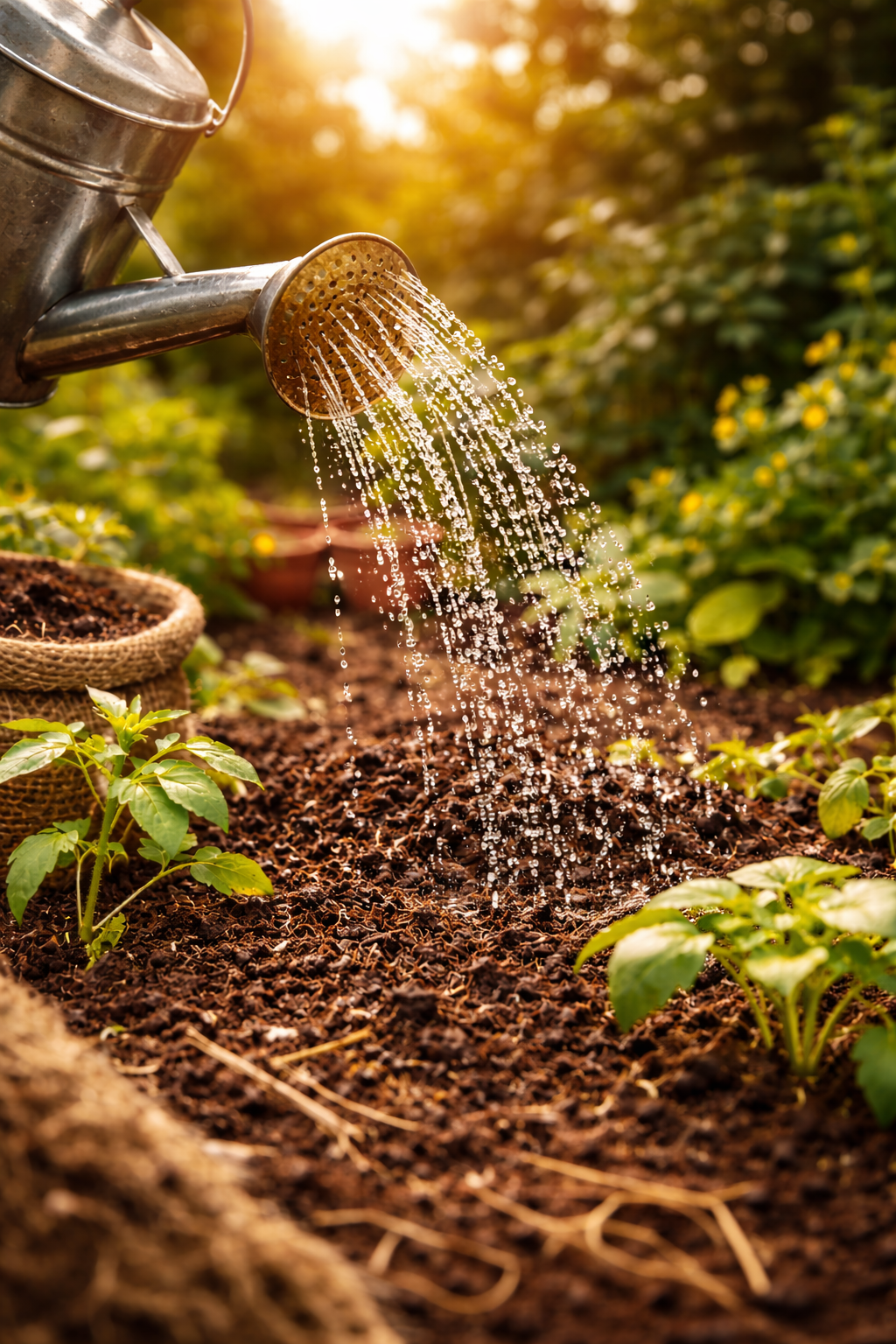
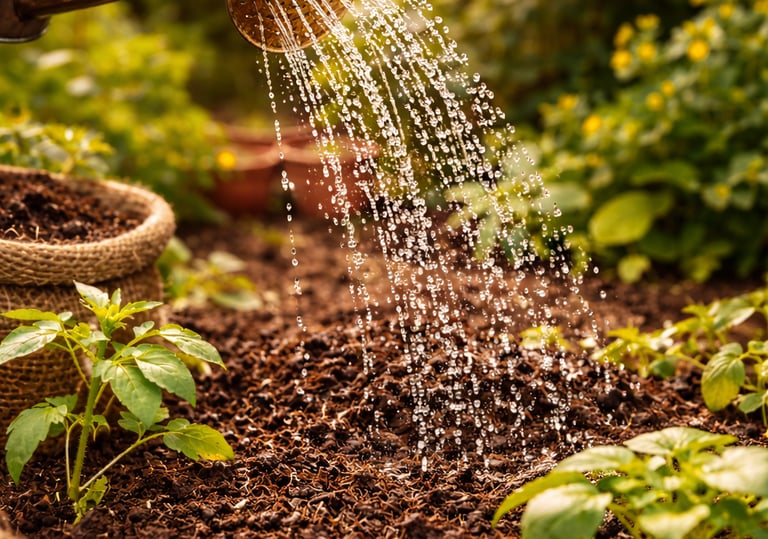
Use a spray bottle or gentle watering, keep soil moist, not soaked. Bottom watering (placing container in water briefly) works great too.
Provide Warmth & Light
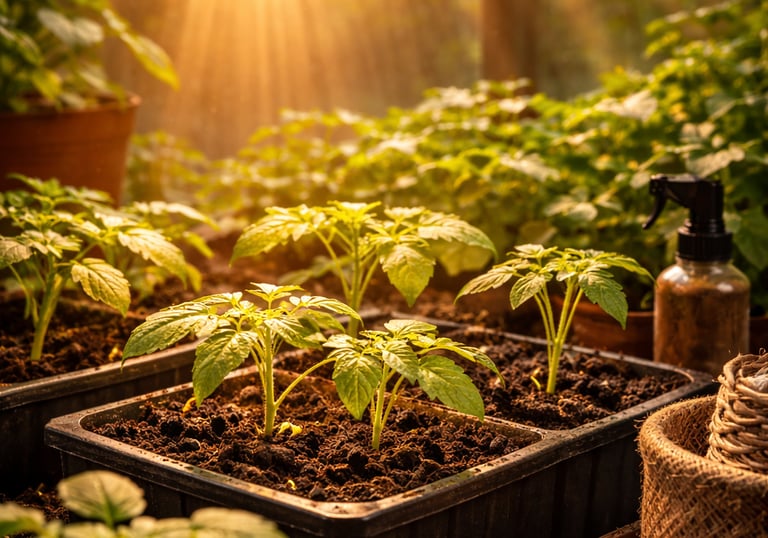
Most seeds germinate best at 65–75°F so place near a sunny window, porch, patio or use grow lights.
Maintain Mositure
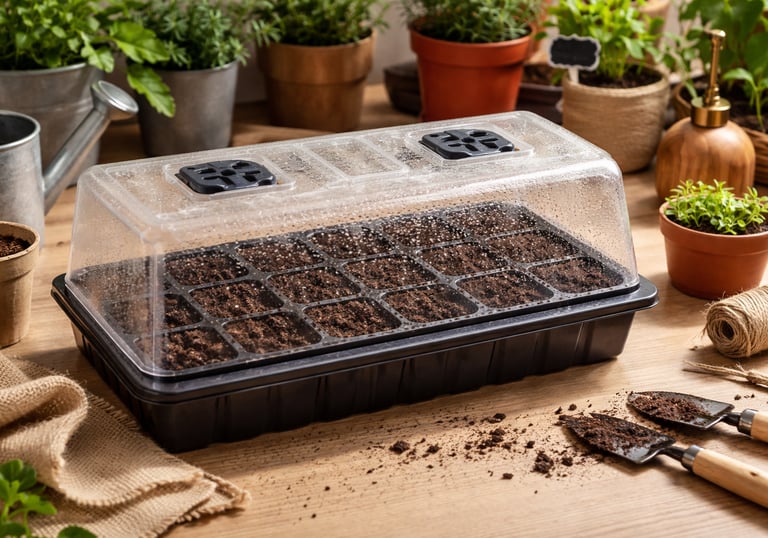
Cover with a humidity dome or plastic wrap (optional). Remove once sprouts appear.
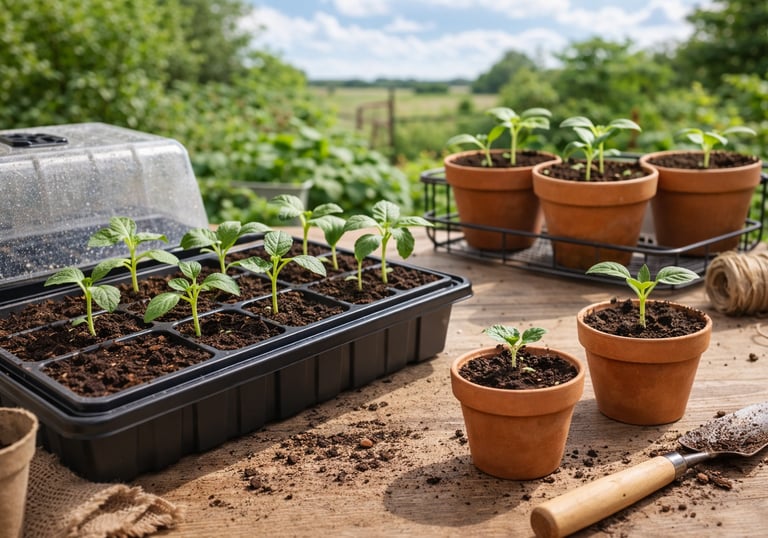
Once they sprout, remove weaker seedlings and leave the strongest ones to grow. Transplant When Ready- When plants have 2–3 true leaves, move them to larger pots or outdoors.
Gradually expose them to outside conditions (this is called “hardening off”).
Thin Seedlings
How to Start Herb Garden at Home
The easiest way to begin is to choose a small setup you can realistically care for. That might be three pots on a sunny windowsill, a few containers on a patio, or one raised bed near the kitchen door. Bigger is not always better in the beginning. A small herb garden that gets regular attention will do far more for you than a large one that feels overwhelming.
Before you buy anything, look at your space honestly. Notice how much sun you get, how often you are home to water, and whether you want herbs mostly for cooking, tea, or natural remedies. That one choice shapes everything else. Basil, parsley, and thyme make sense for the cook who wants fresh flavor. Chamomile, lemon balm, peppermint, and calendula may be more appealing if your heart is leaning toward homemade teas and gentle herbal care.
This is where many beginners get stuck. They think they need to grow every useful herb at once. You do not. It is far better to grow a handful of herbs you will actually use than to fill a bed with plants that become another chore.
Choose the right herbs for your life - A good starter herb garden usually includes herbs that are easy to grow and easy to use. Basil is tender, productive, and perfect for warm weather. Mint grows fast and is wonderful for tea, but it should almost always stay in its own pot because it spreads quickly. Parsley is dependable and useful in daily meals. Thyme and oregano are hardy choices that like sunshine and do not ask for much.
If your goal is herbal wellness, a few gentle plants are especially beginner friendly. Lemon balm is calming, cheerful, and generous in the garden. Chamomile is lovely if you have enough sun and patience for its delicate flowers. Calendula is bright, useful, and often grown for skin-loving preparations. Lavender is beautiful and beloved, though it can be less forgiving if your soil stays wet or heavy.
The trade-off is simple. Some herbs are easier to grow than to use regularly, and some are easy to use but fussier in the garden. Start with the ones that fit your habits. A thriving pot of parsley that gets clipped every week is more valuable than a struggling lavender plant that never really settles in.
Seeds, starter plants, or cuttings? If you are brand new, starter plants are often the smoothest path. They give you a head start, let you skip the fragile seedling stage, and offer quicker harvests. This can be especially helpful with basil, thyme, oregano, rosemary, and lemon balm.
Seeds are more affordable, and they open the door to a wider range of herbs. They are a good choice if you enjoy the process and do not mind waiting. Cilantro, dill, chamomile, and basil often grow well from seed. Rosemary and lavender can test your patience from seed, so many beginners prefer to buy those as small plants.
Cuttings sit somewhere in the middle. Mint, lemon balm, and some other soft herbs can root readily from healthy cuttings. If you have a gardening friend, this can be a lovely, old-fashioned way to start.
Most herbs want the same basic things: sunlight, drainage, and restraint. They do not need rich, soggy soil or constant fussing. In fact, too much attention can be the problem.
Sunlight matters most. Many popular herbs need at least six hours of sun a day, especially Mediterranean herbs like thyme, oregano, sage, rosemary, and lavender. If your space gets less light, you can still grow herbs but choose accordingly. Parsley, mint, lemon balm, and chives are often more flexible.
Drainage is the next big piece. Herbs dislike wet feet. Whether you plant in containers, raised beds, or directly in the ground, make sure excess water can move away from the roots. Containers must have drainage holes. This sounds basic, but it is one of the most common reasons herbs fail.
Soil should feel loose and well-draining, not heavy and compacted. A quality potting mix works well for containers. Garden beds may need compost to improve texture, but too much richness can push leafy growth at the expense of flavor in some herbs. This is one of those places where more is not always better.
Seeds, Starter Plants, or Cuttings?
Containers or Garden Beds?
For many homes, containers are the easiest answer. They are simple to control, easy to place near the kitchen, and perfect if your yard has poor soil or limited space. Pots also help with herbs like mint that like to wander. If you want a low commitment start, containers are hard to beat.
Garden beds make sense if you have room and want to grow several herbs together. They can hold moisture more evenly and often need less frequent watering than pots in the heat of summer. Still, bed planting takes a little more planning. Some herbs grow tall, some spread low, and some can quietly take over if given the chance.
A mixed approach often works best. Keep spreading herbs in pots and plant compact, sun-loving herbs in a bed. That gives you flexibility without losing control.
Once you have your herbs, planting should be straightforward. Set herbs at the same depth they were growing in their nursery pot. Do not bury stems too deeply. Press the soil gently around the roots and water well right after planting to help them settle in.
Give each plant enough room. A small herb can look lonely on planting day and crowded a month later. Basil, mint, lemon balm, and oregano can all bulk up faster than expected. Good airflow helps prevent mildew and other common issues, especially in humid weather.
If you are planting several herbs together, match plants with similar needs. Rosemary, thyme, oregano, and sage generally enjoy similar dry, sunny conditions. Parsley and basil are usually happier with a bit more moisture. Grouping by preference makes watering much easier.
The care routine that keeps herbs happy and healthy
The best herb gardens are not perfect. They are consistent. Water when the soil begins to dry, especially in containers, but do not fall into the habit of daily watering unless the weather truly demands it. Stick your finger into the soil first. That small pause can save a lot of plants.
Harvest often. This is how herbs become fuller and more productive. Pinching basil encourages branching. Snipping thyme and oregano keeps them tidy. Regular use is part of good care.
Go easy on fertilizer. Many herbs produce the best fragrance and flavor when they are not overfed. If your plants look pale or stalled, a light feeding may help, but heavy fertilizer can create soft growth with weaker scent and taste.
Watch for flowering. Sometimes flowers are welcome, especially with chamomile, lavender, and calendula. Other times, flowering can mean the plant shifts energy away from leaf production. Basil and mint are often better if you pinch flower buds early unless you want to let them bloom for pollinators.
A lasting herb garden usually begins with one simple habit- step outside and look at it every day. Not to do a full chore list. Just to notice. Is the soil dry? Are there new leaves to harvest? Does one plant need a trim or a little more sun?
That daily connection is where confidence grows. You begin to recognize what healthy herbs look like. You catch small problems before they become big ones. More than that, you start building a quieter, steadier relationship with the plants that support your home.
And when your herbs are ready, use them. Brew the lemon balm. Dry the mint. Add the thyme to roasted vegetables. Tuck calendula petals into a jar for future skin care. Growing herbs becomes meaningful when it moves from the garden into daily life.
If you have been waiting for the right time, this is it. Start with a few pots, a few favorite herbs, and a little sunlight. Simple is enough. Nature tends to meet us kindly when we begin where we are.
The Crafty Couple-Nature Life
Follow us for more herbal tips and nature-inspired updates
Contact
empress@craftycouplenaturelife.com
656-226-1053
© 2026. All rights reserved.