pure, simple & real quality products. Quality savings today!

Herbal Remedies for Allergies That Help
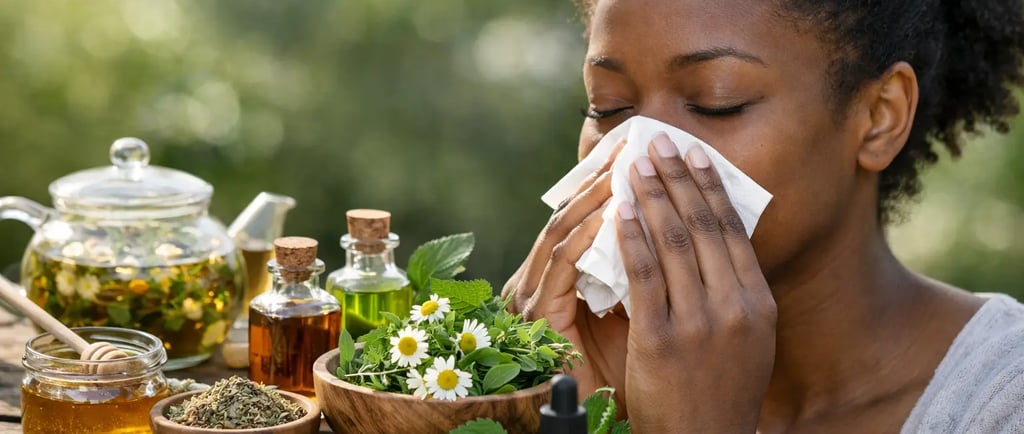
When pollen starts drifting through the air, you feel it fast - itchy eyes, a scratchy throat, a stuffy nose that seems to settle in for the day. Many people turn to herbal remedies for allergies because they want something gentler, simpler, and closer to the way the body naturally responds to the seasons. That said, herbs are not magic, and they are not a replacement for medical care when symptoms are serious. They can, however, be a steady part of a natural wellness routine. The best results usually come from choosing the right herb for the kind of symptoms you have, using it consistently, and paying attention to how your body responds. How herbal remedies for allergies may help Seasonal allergies happen when the immune system reacts strongly to things like pollen, dust, or pet dander. That reaction can lead to histamine release, inflammation, excess mucus, sneezing, and irritated eyes or skin. Herbs may support the body in different ways. Some are traditionally used to calm irritation, some help dry up excess moisture, and others are valued for overall immune balance. This is where a little nuance matters. An herb that helps one person with watery eyes and nonstop sneezing may not be the best fit for someone dealing more with sinus congestion and thick mucus. Natural care works best when it is matched to the pattern, not just the label. The most useful herbs to know Nettle Nettle is one of the best-known herbs for seasonal allergy support, and for good reason. It has a long history of traditional use when the body is reacting to environmental triggers. Many people reach for nettle tea, capsules, or tincture during high pollen season because it is nourishing and generally easy to work into daily life. Tea is a gentle place to start. A strong infusion can be sipped daily through allergy season, especially if you want broader support rather than quick, dramatic relief. Nettle also brings minerals and a wholesome, green quality that fits well into a back-to-basics routine. Peppermint Peppermint is often more helpful for comfort than for the root allergy response itself, but that comfort matters. Its cooling nature can feel soothing when sinuses are irritated, and the aroma may make a stuffy head feel a little clearer. A warm cup of peppermint tea can be especially welcome when allergies leave you feeling heavy and foggy. If you tend to run dry already, peppermint may not always be your best everyday herb. For some people, it feels balancing. For others, it can feel a little too cooling or drying. This is one of those places where paying attention to your own body makes all the difference. Elderflower Elderflower is a gentle favorite in traditional herbalism for the head and sinuses. It is often used when there is a sense of heat, irritation, and pressure in the upper respiratory system. It has a light, pleasant character and blends beautifully with other herbs in teas. For people who get sinus discomfort along with allergy symptoms, elderflower can be a lovely herb to keep on hand. It is not harsh, and it fits well in a daily cup during the weeks when pollen counts are high. Chamomile Chamomile is one of those herbs that seems simple until you use it consistently. It can be soothing when allergies leave the body feeling irritated and unsettled. It may be especially useful in the evening, when symptoms and tiredness seem to pile up together. There is one important caution here. If you are sensitive to plants in the ragweed family, chamomile may not be the right choice. Some people do well with it, while others find it aggravating. If that applies to you, start carefully or skip it. Mullein Mullein is usually thought of for the lungs, but it can also be helpful when allergies create a lot of upper respiratory irritation. It is often chosen when things feel dry, ticklish, or a little inflamed. As a tea, it has a soft, comforting quality. Be sure to strain mullein tea well, since the tiny hairs on the leaves can be irritating if left floating in the cup. That small step makes the tea much more pleasant. Eyebright As the name suggests, eyebright is traditionally used when the eyes are part of the problem. If your main complaint is watery, itchy, irritated eyes, this herb is worth knowing. It is commonly used in tea or tincture form in herbal traditions. It may not be the first herb someone chooses for deep sinus congestion, but for eye-heavy allergy days, it has a long reputation as a targeted support herb. Best ways to use herbs for allergy season For most people, teas and tinctures are the easiest place to begin. Tea feels grounding and simple. It turns herbal support into a daily habit, which often matters more than taking something once in a while. Nettle, elderflower, peppermint, and mullein all work well as teas, alone or in blends. Tinctures are helpful when you want something more concentrated or more convenient. They can be easier to take on busy days, and some people prefer them if they do not want to drink several cups of tea. If your allergies hit hard and fast, a tincture may fit better into your routine. Steams can also be useful, especially for sinus pressure. A bowl of warm steam with a little peppermint can feel comforting, though it is more about easing the moment than changing the whole pattern. For some people, it is a simple ritual that helps them slow down and breathe more freely. A simple herbal routine that feels manageable When allergies are flaring, it helps to keep things practical. A simple routine might look like a nourishing nettle infusion in the morning, a soothing tea with elderflower or peppermint in the afternoon, and chamomile in the evening if it suits you. If your eyes are your biggest issue, adding eyebright may make sense. If your throat and upper airways feel irritated, mullein may be the better fit. The key is consistency. Herbal support tends to work best as a steady rhythm, not a one-time fix. Starting before peak allergy season can be especially helpful if you already know spring or fall is difficult for you. When herbal remedies for allergies are not enough Natural support has its place, but there are times when you need more than tea and tinctures. If you have wheezing, trouble breathing, swelling, severe sinus pain, or symptoms that keep getting worse, it is time to talk with a healthcare professional. Allergies can sometimes overlap with asthma, infection, or stronger immune reactions that need medical attention. It also matters to check for herb and medication interactions. If you are pregnant, nursing, taking prescription medication, or managing a chronic condition, get guidance before adding new herbs regularly. Pure and simple still needs to be safe. A few gentle lifestyle supports that work well with herbs Herbs tend to do better when they are part of a fuller routine. If pollen is your trigger, washing your face and changing clothes after time outside can make a noticeable difference. Running an air filter, keeping windows closed on high-pollen days, and rinsing away allergens before bed may help just as much as the herbs you choose. Food can matter too. Some people notice that when they are already eating in a way that supports overall inflammation balance - with plenty of whole foods and less highly processed food - allergy season feels a little more manageable. It is not a perfect formula, but it is often part of the picture. At The Crafty Couple, we believe simple habits add up. A cup of tea, a clean home rhythm, a little garden wisdom, and steady care can go a long way. Choosing the right herbs for your body If you are new to herbal wellness, start with one or two herbs instead of trying everything at once. That makes it easier to notice what truly helps. Nettle is often a strong first choice for broad seasonal support. From there, you can add based on symptoms - peppermint for stuffiness, elderflower for sinus heat and pressure, eyebright for irritated eyes, or mullein for upper respiratory irritation. There is no prize for making it complicated. The best herbal routine is the one you will actually use. Keep it approachable. Keep it honest. Let the plants support you in a way that feels calm and sustainable. Allergy season has a way of making daily life feel harder than it should. A few well-chosen herbs, used consistently and with care, can bring a little more ease back into the day - and sometimes that simple shift is exactly what the body needs.
HERBAL
5/19/20261 min read
My post content
The Crafty Couple-Nature Life
Follow us for more herbal tips and nature-inspired updates
Contact
empress@craftycouplenaturelife.com
656-226-1053
© 2026. All rights reserved.