pure, simple & real quality products. Quality savings today!

Herbal Remedies for Anxiety that Help
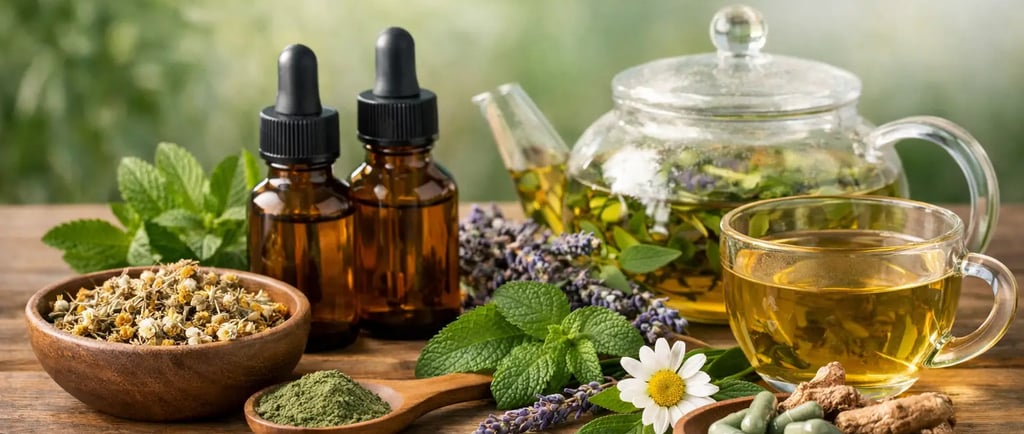
Some days anxiety feels loud before breakfast. Your chest is tight, your thoughts are racing, and even small tasks seem heavier than they should. That is often when people start looking into herbal remedies for anxiety - not for a magic fix, but for gentle support that fits a slower, more natural way of living. Herbs can be part of that support. They have a long history in teas, tinctures, and daily wellness routines, and many people find them comforting when stress starts to build. But herbs work best when we treat them with respect. They are helpful tools, not a replacement for medical care, especially if anxiety is severe, ongoing, or tied to panic attacks, trauma, depression, or trouble functioning day to day. How herbal remedies for anxiety actually help Anxiety is not one-size-fits-all, and herbs are not either. Some herbs are better for a tense, restless body. Others are more useful when your mind will not slow down at night. A few are traditionally used to support the nervous system over time rather than offering a quick calming effect. That difference matters. If you reach for the wrong herb, you may feel little benefit or even feel too sleepy at the wrong time of day. The best approach is often simple - match the herb to the kind of support you need, then use it consistently and gently. Many calming herbs are taken as tea, which can be part of why they help. The warmth, the pause, and the ritual all matter. A tincture may be more convenient when you need something fast or do not want another cup of tea. Capsules can be useful too, though they sometimes feel less personal than a cup brewed in your own kitchen. Gentle herbs people often use for anxiety Chamomile is one of the most familiar choices, and for good reason. It is mild, widely available, and often well tolerated. If your anxiety shows up as tension, digestive upset, or trouble unwinding in the evening, chamomile tea can be a good place to start. It is not dramatic, but sometimes gentle is exactly what the nervous system needs. Lemon balm has a brighter feel. It is calming without always being heavily sedating, which makes it a favorite for daytime stress. Many people reach for it when they feel keyed up, irritable, or mentally scattered. It also blends well with other herbs, especially in teas meant for afternoon calm. Passionflower is often chosen when the mind will not stop moving. If anxiety feels like looping thoughts, bedtime overthinking, or a sense that your brain cannot find the off switch, this herb may be worth considering. It is stronger than chamomile for some people, so it is smart to start with a modest amount and see how your body responds. Lavender is another classic. The scent alone can be soothing, but it is also used as tea and in some herbal preparations. Lavender tends to shine when anxiety comes with restlessness or poor sleep. For some people, it feels grounding. For others, it is simply too floral to enjoy as tea. That is a good reminder that the best herb is not just the one with a good reputation. It is the one you will actually use. Skullcap is often loved by herbalists for physical tension and that frazzled, wrung out feeling that follows long periods of stress. It is usually seen as more deeply relaxing than lemon balm and a little more targeted toward a jumpy nervous system. Quality matters here, so sourcing from a trusted herbal brand is especially important. Milky oats are different from the herbs above because they are often used as nourishment for the nervous system over time. They are not usually the first choice when you want immediate relief in the middle of a hard moment. Instead, they are more of a steady companion for people who feel depleted, run down, or stress worn. Choosing the right herb for your kind of stress If your anxiety feels mild and situational, start with simpler herbs like chamomile, lemon balm, or lavender. These are approachable for beginners and easy to work into a daily routine. A tea after dinner or in the late afternoon may be enough to take the edge off. If anxiety shows up most strongly at night, passionflower, chamomile, lavender, or skullcap may make more sense. The goal is not to force sleep. It is to create a little more quiet in the body and mind, so sleep has a chance to happen. If you feel drained after long-term stress, herbs like milky oats can make more sense than stronger calming herbs alone. Some people need soft support, not sedation. That is an important distinction. Best ways to use herbal remedies for anxiety Tea is often the easiest place to begin. It is affordable, comforting, and easy to adjust. You can start with one herb at a time, so you know what is helping. A stronger tea is often made by steeping the herbs longer than you would a casual cup, especially when working with leafy calming herbs. Tinctures are more concentrated and convenient. They are useful when you want support on the go or do not want to brew tea every day. They can also make it easier to combine a few herbs in a small amount. The trade-off is taste. Some people do not mind it. Others never get used to it. Capsules can work well if you prefer a simple routine, but they remove some of the sensory side of herbal care. That may not matter to you. For many people, though, part of what makes herbs helpful is the ritual itself - measuring, steeping, sipping, slowing down. A few safety notes that matter Natural does not always mean risk-free. Some herbs can interact with medications, including antidepressants, anti-anxiety medications, sleep aids, blood thinners, and thyroid medications. If you are pregnant, breastfeeding, managing a medical condition, or taking prescription drugs, check with a qualified healthcare professional before using herbs regularly. It is also wise to introduce one herb at a time. That gives you a clearer sense of how your body responds. If something makes you too sleepy, gives you a headache, upsets your stomach, or simply does not feel right, stop using it. And if anxiety is becoming disruptive, please do not try to carry it alone with a teacup in your hand. Herbs can be deeply supportive, but there are times when counseling, medical care, or a broader treatment plan is the kinder path. Building a simple calming routine at home Herbs tend to work better when they are part of a rhythm. A cup of lemon balm tea in the late afternoon, a lavender and chamomile blend after dinner, or a tincture kept nearby during stressful weeks can be simple ways to build support into ordinary life. The routine does not need to be complicated to be meaningful. Keep a jar of dried herbs in the kitchen. Plant calming herbs in the garden if you have the space. Let the process stay practical and doable. That back-to-basics approach is often what makes natural wellness feel sustainable. At The Crafty Couple, that is part of the heart behind herbal living - using plants in ways that are simple, real, and easy to bring into the home. Not perfect. Not all-or-nothing. Just steady care, one habit at a time. If you are new to herbs, begin with one gentle choice and give it a fair try. Notice whether your shoulders soften, your breathing slows, or bedtime feels a little less busy. Small changes count. Sometimes peace returns quietly, like steam rising from a warm mug in your own kitchen.
NATURAL
5/17/20261 min read
My post content
The Crafty Couple-Nature Life
Follow us for more herbal tips and nature-inspired updates
Contact
empress@craftycouplenaturelife.com
656-226-1053
© 2026. All rights reserved.