pure, simple & real quality products. Quality savings today!

Herbal Remedies for Period Cramps that Help
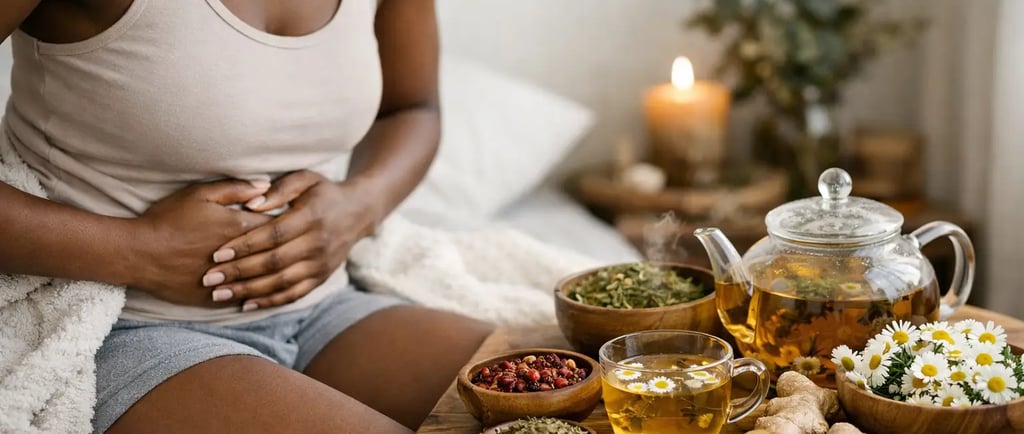
That heavy, gripping ache in your lower belly can change the whole tone of the day. If you are looking for herbal remedies for period cramps, the goal is not to chase perfection. It is to find simple, steady support that helps your body feel more at ease. For many women, cramps show up with a mix of pain, tension, bloating, fatigue, and irritability. Some months are manageable. Others can stop you in your tracks. Herbs cannot promise the same result for every person, but they can be a gentle part of a more natural routine, especially when paired with rest, warmth, and hydration. Why herbal remedies for period cramps can be helpful Period cramps happen when the uterus contracts to shed its lining. Those contractions are driven by hormone-like substances called prostaglandins. When levels are higher, cramps can feel stronger, and you may also notice nausea, loose stools, headaches, or low back pain. Herbs may help in a few different ways. Some are known for relaxing muscle tension. Others support circulation, calm the nervous system, or ease digestive upset that often comes with your cycle. A few are simply comforting, and that matters more than people sometimes realize. When your whole body feels tense, a warm cup of tea and a quiet moment can do more than just taste good. This is where a simple, nature-first approach makes sense. You do not need a shelf full of complicated products. A few well-chosen herbs, used consistently and thoughtfully, can go a long way. Best herbs to consider for cramp support Chamomile is often one of the first herbs people reach for, and for good reason. It is gentle, widely available, and known for its calming effect. During your period, chamomile tea may help relax the body and soften some of that tight, clenched feeling. It can also be useful if cramps keep you from resting well. Ginger is another strong option. It has a warming quality that many people find comforting during menstruation, and it is often used for both pain and nausea. Fresh ginger tea has a little bite, but that heat can feel especially soothing when cramps are paired with chills or digestive discomfort. Cramp bark is a traditional herb with a name that tells you exactly why people keep it around. It has long been used in herbal practice for muscle cramping and uterine tension. This is one of the more targeted herbal remedies for period cramps, though it is not as common in the average kitchen cabinet as chamomile or ginger. Raspberry leaf is often associated with women’s wellness. It does not act like a quick fix, but many herbalists see it as a nourishing herb that supports uterine tone over time. Some women enjoy it throughout the month, while others drink it more regularly in the days leading up to their period. Peppermint can be helpful when cramps come with bloating, gas, or nausea. It has a cooling feel, which is not ideal for everyone, especially if you already feel cold during your cycle. Still, for digestive tension and that stuffed, uncomfortable feeling, it can be a welcome addition. Lemon balm is a gentle herb worth knowing if your cramps are tied to stress or irritability. It is calming without being overly heavy and can help take the edge off both physical tension and emotional strain. Teas are often the easiest place to start For most people, tea is the simplest and most approachable way to use herbs. It is affordable, low-pressure, and easy to make part of your routine. A warm infusion also brings the added benefit of heat, which many women crave when cramps hit. A basic cramp-support tea can be as simple as chamomile and ginger. If you want something a little more rounded, try chamomile, raspberry leaf, and a small amount of ginger. If stress seems to make everything worse, add lemon balm. Use about 1 to 2 teaspoons of dried herb per cup of hot water if you are making a single-herb tea. For blends, divide the total amount among the herbs you choose. Cover and steep for 10 to 15 minutes. Covering the cup helps keep the plant oils from escaping with the steam. Taste matters here. If a tea feels harsh or unpleasant, you are less likely to use it consistently. A little honey can make it easier to enjoy, especially with stronger herbs like ginger. Timing matters more than people think One common mistake is waiting until pain is already intense before reaching for herbal support. Some herbs work better when used early. If your cycle is fairly regular, consider starting a tea routine a day or two before cramps usually begin. This does not mean herbs will prevent every rough day. It simply gives your body support before symptoms peak. Raspberry leaf and chamomile are often good choices for this kind of steady lead-up. Ginger and cramp bark may feel more useful once active cramping begins. There is also an it-depends side to this. If your cycle is unpredictable, a daily pre-period routine may not be practical. In that case, keeping a simple tea blend on hand for the first sign of symptoms can still be helpful. Herbal remedies work best with a few simple comforts Herbs are rarely a stand-alone answer. They tend to shine when they are part of a small care ritual that supports the body from more than one angle. A heating pad or warm compress on the lower belly is one of the most reliable home supports for cramps. It helps relax tension and can make herbal tea feel even more effective. Warm baths, gentle stretching, and slower movement can also help the body release some of the tightness that builds during menstruation. Hydration matters too. It sounds almost too simple, but being under-hydrated can make everything feel worse. Warm water, tea, and mineral-rich broths can be easier to tolerate than ice-cold drinks when your body feels sensitive. Food choices can play a role as well. Some women notice that heavily processed foods, excess salt, or a lot of sugar make bloating and inflammation feel worse around their period. Others are more affected by caffeine, especially if they already tend toward anxiety or breast tenderness. You do not need a perfect diet to support your cycle. Paying attention to patterns is enough. When to be cautious with herbs Natural does not always mean right for every person. If you are pregnant, nursing, taking prescription medications, or managing a health condition, it is wise to check with a qualified healthcare professional before using medicinal herbs regularly. This is especially true if your cramps are severe, sudden, or getting worse over time. Very painful periods can sometimes point to issues like endometriosis, fibroids, or other underlying concerns. Herbs may still have a supportive place, but they should not replace proper medical care when something deeper may be going on. You should also be cautious with concentrated herbal extracts if you are new to herbs. Teas are often a gentler place to begin. They let you see how your body responds without overdoing it. A simple home approach that feels doable If you are new to this, keep it easy. Start with one or two herbs instead of trying everything at once. A cup of chamomile and ginger tea in the morning, another in the afternoon, and a heating pad in the evening may be all you need to notice a difference. If your cramps tend to build before bleeding starts, try raspberry leaf through the days leading up to your cycle, then switch to a stronger comfort blend once cramping begins. If your symptoms come with nausea or digestive upset, let ginger or peppermint take a larger role. The best routine is the one you will actually use. That is part of the back-to-basics beauty of herbal care. It does not have to be fancy to be effective. It just needs to be consistent, thoughtful, and suited to your body. At The Crafty Couple, we believe natural living works best when it feels rooted in real life. A jar of dried herbs in the pantry, a warm mug in your hands, and a little space to rest can be a powerful kind of care. Some months your body may respond quickly. Other months may ask for more patience. Let this be a gentle process of learning what brings you comfort, because often the most helpful herbal support starts with listening closely to your own rhythms.
HERBAL
5/23/20261 min read
My post content
The Crafty Couple-Nature Life
Follow us for more herbal tips and nature-inspired updates
Contact
empress@craftycouplenaturelife.com
656-226-1053
© 2026. All rights reserved.