pure, simple & real quality products. Quality savings today!

Herbal Remedy Guide for Beginners
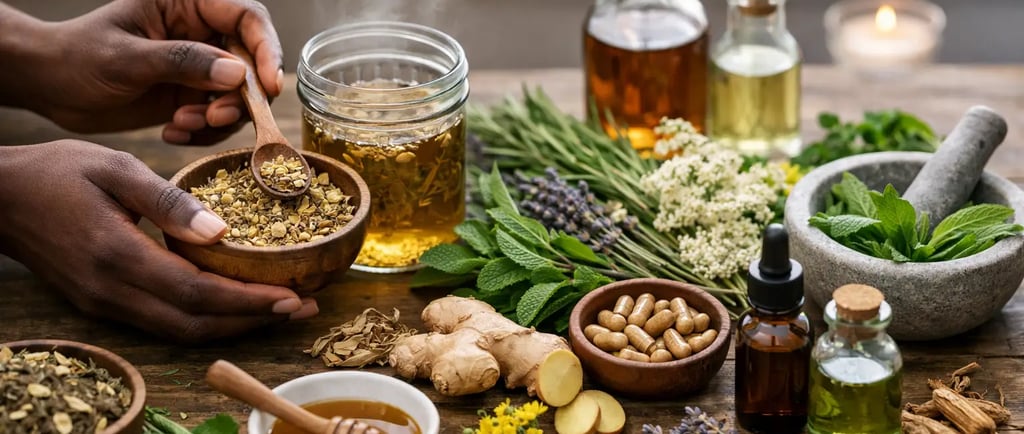
The first lesson is this: herbs are useful, but they are not magic. They can be gentle daily support for common discomforts, skin care, rest, and seasonal wellness. They are not a replacement for emergency care, and they are not all interchangeable. This matters because many beginners either expect too much or feel intimidated too quickly. A better path is to think of herbs as part of a simple, back-to-basics wellness routine. You reach for them the same way you might choose homemade soup when you need comfort or extra rest when your body feels worn down. It also helps to understand that herbs work in different ways. Some are best as teas. Some are more effective in salves, infused oils, or tinctures. Some are mild enough for frequent use, while others call for more care. Learning these differences keeps herbal practice grounded and safe. A beginner does better with five dependable herbs than fifteen half-understood ones. If you are building a first herbal shelf, choose herbs that are versatile, widely used, and easy to prepare at home. Chamomile is one of the gentlest places to start. It is often used in tea to encourage calm, settle mild digestive upset, and support bedtime routines. Its flavor is soft and familiar, which makes it an easy daily herb. Peppermint is another staple. It is commonly used for digestion, especially after heavy meals or when you feel bloated. It is cooling, refreshing, and simple to brew as tea. Some people find it too stimulating late in the evening, so timing can matter. Calendula is a favorite for skin support. It is often infused into oil and made into salves for dry skin, minor scrapes, and rough patches. It is bright, cheerful, and one of the most practical herbs for any natural home apothecary. Ginger is warming and useful for nausea, sluggish digestion, and cold-weather comfort. Fresh ginger tea is especially approachable for beginners because it uses a common kitchen ingredient and gives quick, noticeable warmth. Lemon balm is a lovely herb for stress, restlessness, and occasional tension. It has a mild lemony flavor and is often used in teas for a calm, settled feeling. If chamomile feels too sleepy, lemon balm can be a nice daytime option. With those few herbs, you can begin to understand how herbal wellness fits into real life. You are not collecting plants for the sake of it. You are building a small set of tools you will actually use. Most beginners should start with tea, infused oil, and salve. These are practical, forgiving, and easy to work into a normal routine. Tea is the simplest place to begin. For dried leaves and flowers like chamomile, peppermint, or lemon balm, steep about 1 to 2 teaspoons in hot water for 10 to 15 minutes. Covering the cup while it steeps helps keep the aromatic oils in the tea instead of letting them escape with the steam. For roots like ginger, a longer simmer often works better than a quick steep. Infused oil is the next easy step, especially for skin herbs like calendula. Dried herbs are usually the best choice because fresh plant material can introduce moisture and spoilage. Once infused, that oil can be used on its own or turned into a simple salve with beeswax. Salves are where many people fall in love with herbal DIY. They are useful, shelf-stable, and satisfying to make. A basic salve can be as simple as infused oil plus beeswax, gently melted together and poured into a tin or jar. It feels old-fashioned in the best way - useful, honest, and made by hand. Tinctures can come later. They are effective and convenient, but they add another layer of learning with ratios, alcohol strength, and dosing. For a true beginner, tea and salve offer a more comfortable start. Simple does not mean careless. The safest herbal practice starts with a few steady habits. First, identify herbs correctly and buy from trustworthy sources when you are not growing them yourself. A mislabeled herb is not a small mistake. It changes everything. Second, use one new herb at a time when possible. If your body does not respond well, you will know what caused the issue. This is especially helpful for anyone with allergies or sensitive skin. Third, remember that natural does not automatically mean safe for everyone. Pregnancy, nursing, medications, chronic health conditions, and upcoming surgery can all change what is appropriate. Children, older adults, and people with serious medical conditions may need extra caution. When in doubt, check with a qualified healthcare professional who understands herb-drug interactions. Topical herbs need care too. Patch testing a new salve or oil on a small area of skin is a smart habit. Even gentle herbs can irritate some people. A good rule is to keep your practice humble. Learn what an herb is known for, how it is usually prepared, and when not to use it. That kind of slow learning builds confidence you can trust. One of the best ways to stay connected to herbal living is to grow a few plants yourself. You do not need a homestead or a big raised bed. A porch pot of peppermint, a patch of calendula, or a small container of lemon balm can be enough to change how you relate to your remedies. When you grow even one medicinal herb, you start to notice the whole cycle. The scent on your hands after harvest. The color shift as flowers dry. The way a summer garden can become winter tea. That kind of experience turns herbs from products into part of everyday life. It also teaches patience. Homegrown herbs are rewarding, but they are not always perfect. Sometimes pests show up. Sometimes a plant bolts early or produces less than expected. That is part of the learning. Nature is simple, but it is not always tidy. For many families, this is where herbal wellness becomes a lifestyle instead of a one-time project. A garden herb can become a tea, a salve, a gift for a friend, or a comfort you reach for on an ordinary Tuesday night. The most useful herbal habits are the ones that fit your life now. If you are busy, do not begin with elaborate preparations that need special equipment and a full afternoon. Begin with a bedtime tea, a soothing salve by the sink, or a jar of dried peppermint in the kitchen. It helps to match herbs to moments you already have. Chamomile after dinner. Ginger tea on cold mornings. Calendula salve after gardening. Lemon balm during tense afternoons. Small rhythms are easier to keep than big plans. You may also notice that herbs work best with consistency and context. A cup of calming tea helps more when it comes with rest and a slower evening. A skin salve works better when paired with gentle daily care. Herbs support the body, but they are not meant to carry the whole load alone. This is also where quality matters. Fresh, fragrant herbs usually give better results than stale ones forgotten in the back of a cabinet. If your dried herbs have lost their scent and color, it may be time to replace them. At The Crafty Couple, this kind of herbal living is the heart of what makes natural wellness feel doable - pure, simple, real, and close to home. There is no prize for rushing through herbal learning. Pick one herb. Make one tea. Try one salve. Let your hands and senses teach you alongside the books, and before long, your home will start to carry that quiet kind of wisdom that grows from using plants well.
HERBAL
6/4/20261 min read
My post content
The Crafty Couple-Nature Life
Follow us for more herbal tips and nature-inspired updates
Contact
empress@craftycouplenaturelife.com
656-226-1053
© 2026. All rights reserved.