pure, simple & real quality products. Quality savings today!
How to Make Herbal Remedies at Home
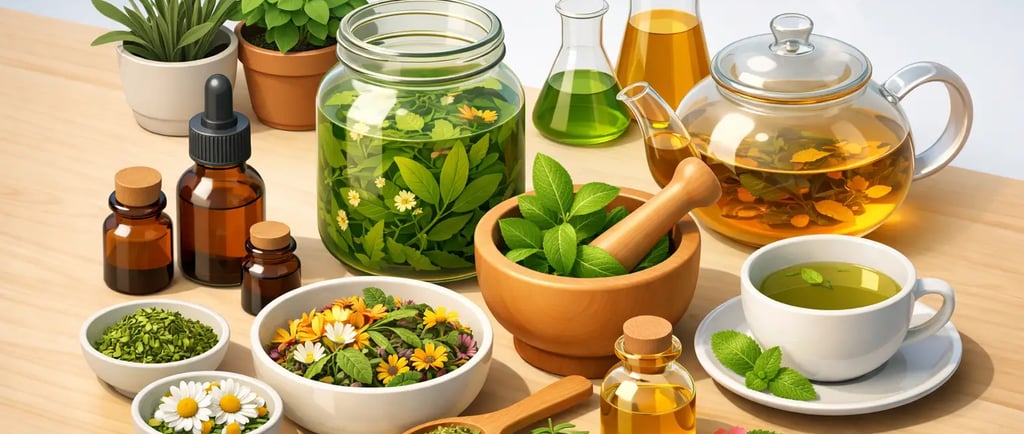
A cup of mint tea for an unsettled stomach. A jar of calendula salve for dry hands. A soothing elderberry syrup kept in the fridge when cold season comes around. If you have ever wondered how to make herbal remedies, the good news is that it does not have to be complicated. A simple kitchen, a few trusted herbs, and a little patience can take you a long way. Herbal remedy making fits beautifully into a slower, more intentional kind of home life. It brings you closer to what you use, what you grow, and what you keep on hand for everyday care. Pure. Simple. Real. That is part of the beauty of it. How to make herbal remedies safely: Before you start filling jars, it helps to begin with the right mindset. Herbs are natural, but natural does not always mean harmless for every person in every situation. Some herbs can interact with medications, some are not a good fit during pregnancy or breastfeeding, and some are better used externally than internally. Start with gentle, well-known herbs and simple preparations. Chamomile, peppermint, calendula, lemon balm, elderberry, and lavender are common beginner-friendly choices when used properly. Be sure you are identifying herbs correctly, sourcing them from clean places, and avoiding plants treated with pesticides or gathered from roadsides. Clean tools matter too. Wash jars, strainers, and utensils well before use. Label everything with the herb name and the date you made it. That one small habit can save a lot of confusion later. The basic forms of herbal remedies: If you are learning how to make herbal remedies at home, most of what you do will fall into a few simple categories. Each one has a purpose, and the best choice depends on how you want to use the herb. Teas and infusions are often the easiest place to begin. They work well for leaves and flowers like peppermint, chamomile, lemon balm, and nettle. Salves are made for skin support and are useful when you want herbs in a mess-free, easy-to-apply form. Tinctures are concentrated liquid extracts, usually made with alcohol, and are valued for long shelf life and convenience. Herbal oils are another favorite for skin care, massage blends, and salves. There is no single best method. A tea is quick and comforting, but it needs to be made fresh. A tincture keeps longer, but it takes time to extract. A salve is wonderful for dry or irritated skin, but it is not something you would use the same way as a tea. Herbs work best when the preparation matches the need. Start with herbs you know: One of the easiest mistakes beginners make is buying too many herbs at once. It is better to get to know a few plants well than to collect a shelf full of jars you barely use. Choose three to five herbs that fit your home and your routine. Peppermint is a classic for teas and steam blends. Calendula is loved for oils and salves. Chamomile is gentle and calming. Elderberry is often used in seasonal syrups. Lavender is helpful in sachets, oils, and soothing bath blends. If you [grow your own herbs] (https://craftycouplenaturelife.com/garden-tips), even better. There is something deeply satisfying about stepping outside for lemon balm or drying your own mint for winter. But if you are not growing yet, dried herbs from a trusted source are a perfectly good place to start. How to make herbal tea and infusions: Herbal tea is the simplest remedy to make, and for many homes, it is the most useful. For delicate plant parts like leaves and flowers, use about 1 to 2 teaspoons of dried herb per cup of hot water. Cover the cup or jar while it steeps so the beneficial plant compounds and aromatic oils do not escape with the steam. Let it sit for 10 to 15 minutes, then strain. For a stronger infusion, especially with nourishing herbs like nettle, use more herb and a longer steep time. Many people make infusions in a quart jar and let them sit for several hours or overnight before straining. The trade-off is simple. A light tea is pleasant and easy to sip, while a long infusion is stronger and more concentrated. One is not always better than the other. It depends on the herb and your purpose. How to make herbal oils: Herbal oils are one of the most versatile things you can keep in your home apothecary. They are often used as the base for salves, but they can also be used on their own for [skin care or massage] (https://craftycouplenaturelife.com/hydrating-body-oils). To make a simple infused oil, fill a clean, dry jar about halfway with dried herbs. Pour in a carrier oil such as olive oil, sweet almond oil, or jojoba oil until the herbs are fully covered. Stir gently to release air bubbles, cap the jar, and let it infuse in a cool place for a few weeks. Shake it every day or two. Once the oil is fragrant and richly colored, strain out the herbs and store the oil in a clean jar. Dried herbs are usually safer than fresh herbs for oil infusions because moisture can lead to spoilage. Calendula and lavender are especially popular here. If you are using the oil on sensitive or broken skin, make sure everything was prepared carefully and kept clean. How to make a basic herbal salve: A salve is simply infused oil combined with beeswax. It is one of the easiest ways to turn herbs into an everyday product you will actually use. Warm 1 cup of infused herbal oil in a double boiler and add about 1 ounce of beeswax. Stir until melted. Pour the mixture into tins or small jars and let it cool completely. If you want a firmer salve, use a little more beeswax. If you prefer it softer and easier to spread, use a little less. Calendula salve is a beautiful beginner project because it is gentle, useful, and simple. Many families keep it nearby for rough hands, elbows, and general skin support. Lavender can be added for scent but keep essential oils light if you choose to include them. How to make herbal tinctures: Tinctures take more waiting, but they are practical and long-lasting. Most are made by covering dried herbs with alcohol in a glass jar and letting the mixture sit for several weeks before straining. For a folk-style tincture, loosely fill a jar with dried herbs and pour in enough vodka to completely cover them by at least an inch. Seal the jar, label it, and store it in a cool, dark place for four to six weeks. Shake it now and then. After that, strain and bottle the liquid. This method is popular because it is simple, but it is less exact than weight-based formulas. That is fine for many home herbalists, especially in the beginning. If you want more precision later, you can move into measuring herb-to-liquid ratios by weight. Tinctures are not the right fit for everyone. Some people prefer to avoid alcohol, and some herbs are better suited to tea or syrup. Again, it depends on the plant, the person, and how the remedy will be used. Build a small home herbal routine: The most helpful remedies are often the ones you can make again without stress. Instead of trying to create a full apothecary in one weekend, choose a few staples that fit your life. You might keep peppermint and chamomile for tea, calendula oil for skin care, and one simple salve in a bedside drawer or kitchen cabinet. During colder months, you may also enjoy making [elderberry syrup] (https://craftycouplenaturelife.com/moringa-herbal-syrup) or a soothing steam blend. The goal is not perfection. The goal is to create a home rhythm where herbal care feels natural and useful. This is also where gardening and remedy making begin to connect. A pot of mint on the porch, a patch of calendula in the garden, a bundle of lavender drying in the pantry - these small things can become part of everyday wellness in a very real way. Common mistakes when learning how to make herbal remedies: Most mistakes come from rushing. Using fresh herbs in oil without understanding moisture risks, skipping labels, making too much at once, or choosing unfamiliar herbs too early can all lead to waste or disappointment. It also helps to resist the urge to expect every herb to act fast and dramatically. Herbal living is often gentle and steady. A cup of tea, used consistently, may be more meaningful than a complicated formula you never remember to take. If something molds, smells off, or just does not seem right, do not use it. Trust your senses. Part of learning is recognizing when a batch did not turn out well. Making herbal remedies at home is not about filling shelves for the sake of it. It is about creating simple, honest care with your own hands. Start with one herb. Make one tea, one oil, or one salve. Let the process teach you. Over time, those small jars and quiet kitchen rituals become something more than remedies. They become part of the way you care for your home, your family, and yourself.
HERBAL
5/16/20261 min read
My post content
The Crafty Couple-Nature Life
Follow us for more herbal tips and nature-inspired updates
Contact
empress@craftycouplenaturelife.com
656-226-1053
© 2026. All rights reserved.