pure, simple & real quality products. Quality savings today!
Natural Wellness Products for Everyday Care
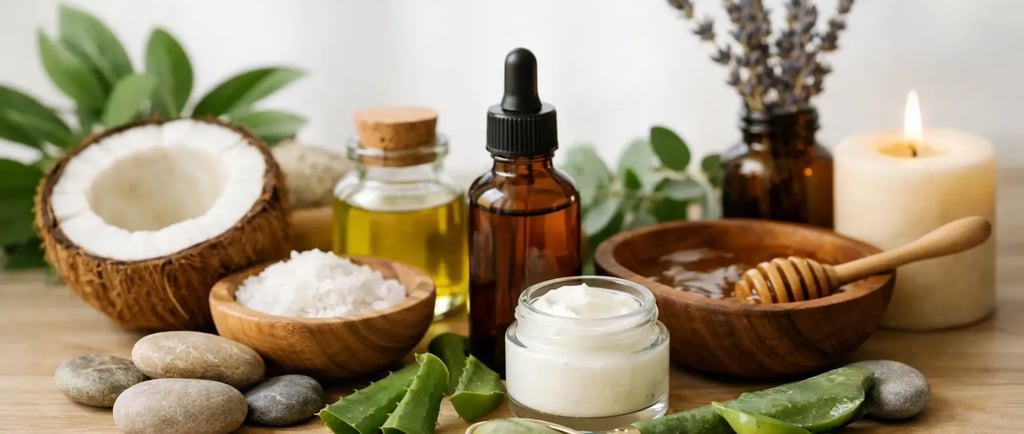
The best natural wellness routine begins with the needs already present in your household. Before buying anything, look at what you reach for most often. Are your hands constantly dry from dishes, gardening, or cold weather? Do you need a caffeine-free evening drink? Are you trying to simplify your skin care or create a more comforting self-care routine? Choose one or two categories first. This keeps your routine affordable and gives you time to learn what truly works for you. A simple start might be an herbal tea for daily comfort and a multipurpose salve for dry areas like hands, elbows, and cuticles. Once those become familiar, you can decide whether an herbal oil, bath soak, or additional tea blend would be useful. Try to avoid buying products only because they sound impressive. A cupboard full of unused wellness items is not self-sufficiency. A few dependable staples that fit your life are. A beautiful label can tell a lovely story, but the ingredient list tells you what is actually in the jar or bag. Look for ingredients that are clearly named and easy to understand. In an herbal salve, for example, you might see infused olive oil, beeswax, calendula, plantain, or lavender. In a tea blend, the herbs should be listed plainly. This does not mean every ingredient must come from your backyard. It means the formula should feel honest and purposeful. Ask yourself what each ingredient is doing there. Oils soften and carry plant infusions. Beeswax adds structure and helps form a protective barrier on the skin. Herbs bring their traditional qualities, aroma, and character. Be mindful of fragrance, especially if you have sensitive skin. “Fragrance” can be a broad term, while essential oils or botanical extracts are often listed by name. Even natural essential oils can irritate some people, so simpler is usually a good place to begin. Wellness products should not need miracle language to earn a place in your home. Be cautious of anything that claims to cure, prevent, or treat a medical condition. Herbs can be deeply supportive, but they are not a substitute for medical care, prescribed medication, or a conversation with a qualified healthcare professional. Instead, look for practical descriptions. A balm may be made for dry, rough skin. An herbal tea may be blended for a calming evening ritual. A bath soak may be designed to help you slow down after a long day. Those are realistic uses that respect both the power and the limits of plant-based care.
NATURAL
7/12/20261 min read
My post content
The Crafty Couple-Nature Life
Follow us for more herbal tips and nature-inspired updates
Contact
empress@craftycouplenaturelife.com
656-226-1053
© 2026. All rights reserved.