pure, simple & real quality products. Quality savings today!

Which Herbs Repel Garden Pests Best?
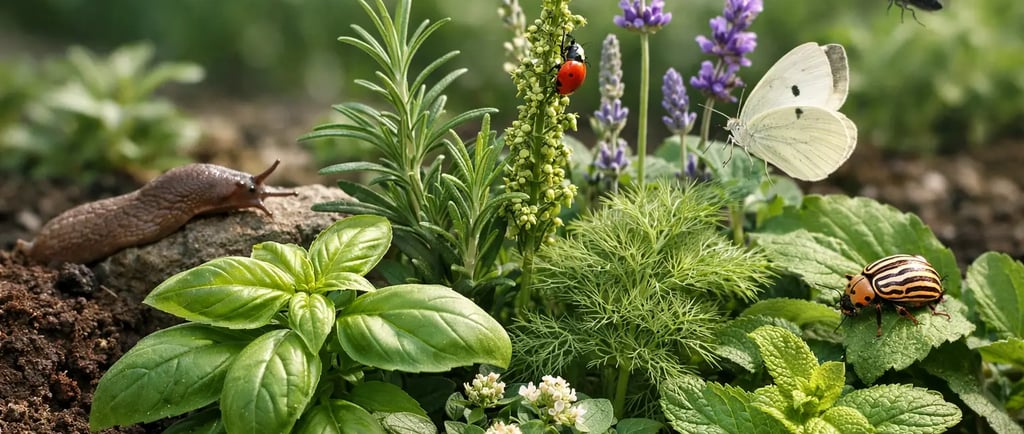
The best pest-repelling herbs tend to be strongly aromatic. Their scent can confuse, deter, or discourage certain insects from settling in. Some herbs are especially helpful around vegetables, while others shine near paths, patios, or entry points where people want relief from biting bugs. Basil is a favorite for many home gardeners. It is often planted near tomatoes, and while the old companion-planting claims can get exaggerated, basil’s strong fragrance may help discourage flies and mosquitoes. It also earns its space because it is easy to harvest often, which keeps it lush and productive. Mint is another classic. Its scent is strong and refreshing to us, but many pests dislike it. Ants, flea beetles, cabbage moths, and even mice are sometimes said to avoid minty areas. The catch is that mint spreads aggressively. If you plant it directly in the ground, it may take over more than the pests ever would. For most gardens, containers are the safer choice. Lavender brings a gentler look, but it works hard. Its fragrant oils are associated with repelling moths, fleas, flies, and mosquitoes. It is especially useful near seating areas, borders, or close to the house where you can enjoy the scent. Lavender prefers dry feet and plenty of sun, so it does best in a spot that is not overly rich or soggy. Rosemary is a strong candidate for vegetable gardens. Its woody stems and resinous scent may help deter cabbage moths, bean beetles, and some flies. It is also a wonderful herb for everyday cooking, which makes it feel like a practical addition rather than a single-purpose plant. In cooler climates, rosemary may need winter protection or a pot that can be moved. Thyme stays low, looks tidy, and offers more than culinary value. Its scent can help discourage cabbage worms and whiteflies, and when it flowers, it also supports pollinators. Creeping thyme works beautifully along paths and bed edges, especially where you want living groundcover with a purpose. Chives and garlic chives belong in this conversation too. Their oniony scent may help repel aphids, Japanese beetles, and carrot flies. Chives are especially handy because they take up little space and return year after year in many gardens. Their blossoms also attract beneficial insects, which adds another layer of support. Sage has a strong earthy fragrance that may help discourage cabbage moths and carrot flies. It pairs well near brassicas and root crops, though like many Mediterranean herbs, it prefers sun and good drainage. If your soil stays wet, sage may struggle more than the pests do. Catnip is famously appealing to cats and notably unappealing to many insects. It is often mentioned for repelling mosquitoes, aphids, squash bugs, and flea beetles. The main caution is that it can spread and self-seed readily, so give it a place where enthusiasm is welcome.
6/1/20261 min read
My post content
The Crafty Couple-Nature Life
Follow us for more herbal tips and nature-inspired updates
Contact
empress@craftycouplenaturelife.com
656-226-1053
© 2026. All rights reserved.